

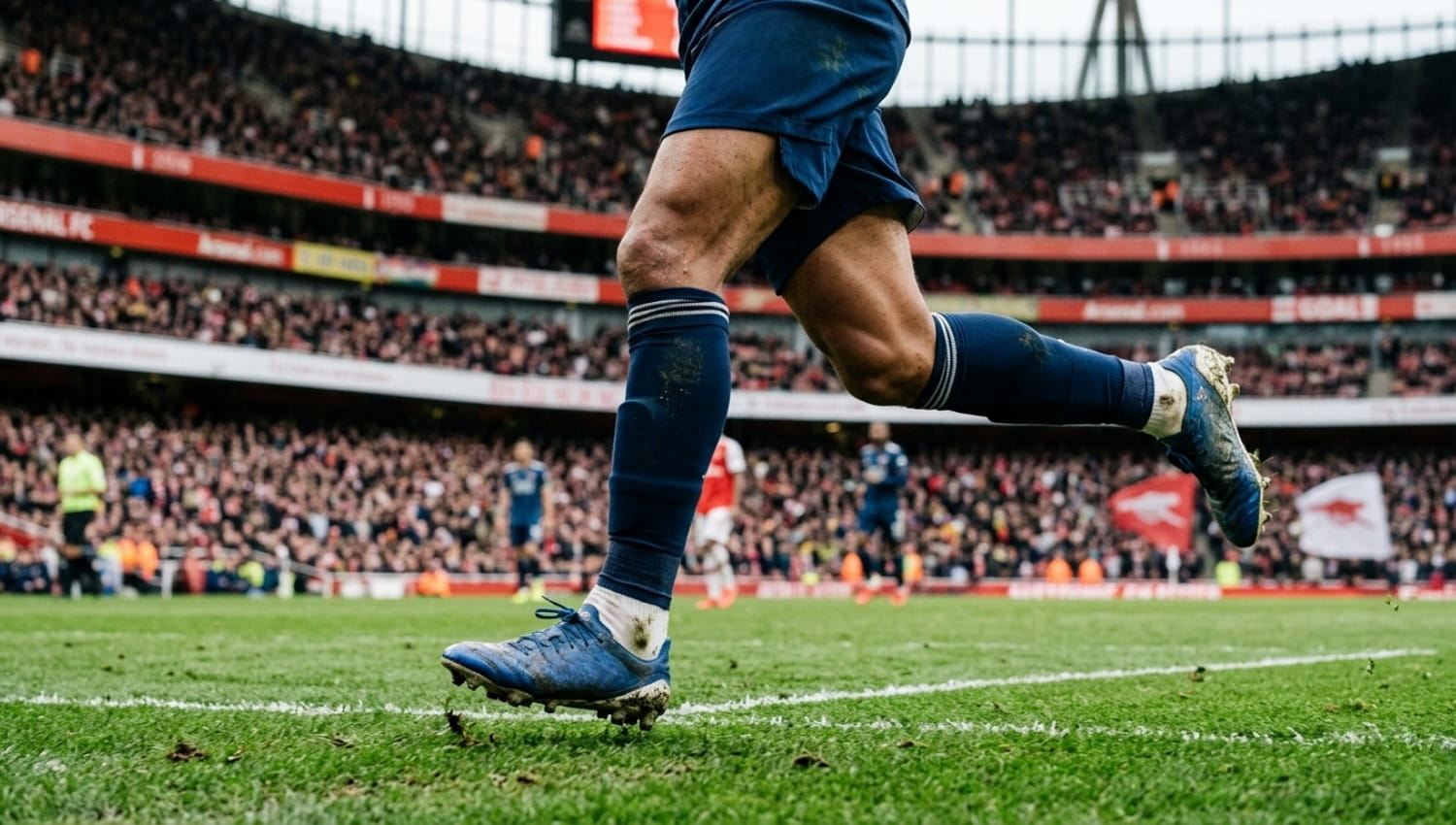
The 2026 FIFA World Cup will be a massive test of human endurance. With matches hosted in cities like Miami, Houston, and Monterrey, players are preparing for some of the most intense heat and humidity in tournament history. In these conditions, hydration is not just a health requirement, it is a performance strategy that determines who wins and who crashes.
Whether you are an elite athlete on a world stage or a fitness enthusiast at the local gym, the physics of sweat and the logic of rehydration remain the same. Understanding how your body loses fluid is the first step toward faster recovery and better performance.
1. How Much Do Athletes Actually Sweat?
Soccer is a high-intensity sport that pushes the human body to its thermal limits. During a 90-minute match, an elite midfielder can run upwards of 7 miles. This constant movement generates a massive amount of internal heat. To prevent the core temperature from rising to dangerous levels, the body relies on sweat to cool down.
On average, a professional soccer player loses between 2 and 3.5 liters of fluid during a single match. However, in the humid environments expected in 2026, those numbers could rise above 4 liters. When humidity is high, sweat doesn't evaporate off the skin easily. The body responds by sweating even more in a desperate attempt to cool itself.
This matters because of the "2% Rule". Science shows that once you lose just 2% of your body weight through sweat, your performance drops. Your blood becomes thicker, your heart has to beat faster to pump that blood, and your brain starts to feel foggy. For a regular person, this leads to early exhaustion, headaches, and a much longer recovery time.
2. Why Knowing Your Sweat Rate Matters
Some of us wait until we are thirsty to grab a drink. However, physiological studies show that thirst is a delayed signal. By the time you feel the urge to drink, you are likely already 1% or 2% dehydrated.
Professional athletes track their "sweat rate" because everyone is different. Some people lose very little fluid, while others are "heavy sweaters" who can lose a gallon of water in an hour. If you don't know how much you are losing, you cannot accurately put it back in.
For fitness enthusiasts, failing to track this often leads to a "hydration debt". If you finish your workout dehydrated, your muscles won't repair as quickly, and you will likely feel sluggish for the rest of the day. Hydration is the fuel that allows your body to bounce back for your next session.
3. The 150% Hydration Rule
The most important lesson from sports science is that drinking one liter of water for every liter lost is not enough. When you drink water after exercise, your body doesn't absorb 100% of it. Some of it is lost through ongoing perspiration, and some is processed as waste before it ever reaches your dehydrated cells.
To truly recover, experts recommend the 150% Hydration Rule:
-
The Goal: You should aim to drink 1.5 times the amount of fluid you lost during your workout.
-
The Math: If you weigh yourself before and after a run and find you have lost 1kg of weight, you have lost roughly 1 liter of fluid. To recover fully, you need to drink 1.5 liters of water over the next few hours.
This extra 50% acts as a buffer. It ensures that after your body accounts for natural losses, there is still enough water left to restore your blood volume and rehydrate your muscles.
4. The Role of Water Purity in Recovery
When you are following the 150% rule, you are often drinking a large volume of water in a short window. This is where the quality of your water becomes a technical advantage.
During recovery, your kidneys are already busy clearing out metabolic byproducts like lactic acid. Standard tap water often contains "extra" elements like chlorine, heavy metals, or high levels of dissolved solids (TDS). While these are common, they can add an unnecessary filtering load to your body when it is already stressed from exercise.
For many athletes, the purity of their water source is as important as their electrolyte mix. This is where Reverse Osmosis (RO) filtration becomes a technical advantage. By using a specialized membrane to remove 99% of impurities, RO systems provide a "clean" solvent. This pure water is easier on the digestive system and is absorbed more efficiently by the body. Furthermore, because RO water has no chemical aftertaste, it is much easier to drink the high volumes required by the 150% rule without feeling bloated or nauseous.
5. Practical Tips for Your Daily Routine
You don't need a medical team to hydrate like a professional. You can improve your performance with a few simple habits:
-
Pre-Hydrate: Drink about 500ml of pure water two hours before you start exercising. This ensures you start with a "full tank".
-
The Weigh-In: Occasionally weigh yourself before and after a workout. This helps you learn your personal sweat rate so you aren't just guessing how much to drink.
-
Focus on Purity: In the critical two-hour window after exercise, choose the cleanest water available. Using an RO system at home ensures that the 1.5 liters you drink are helping your recovery, not adding to your body's workload.
Conclusion
When the world’s best players step onto the pitch in 2026, every sip of water they take will be calculated. They know that hydration is the foundation of their performance.
Your body deserves the same level of care. By understanding how much you sweat and using the 150% rule with high-quality, purified water, you can recover faster and feel better every time you train. Learn how our RO filtration systems provide the professional-grade purity your body needs to stay at its peak.


