

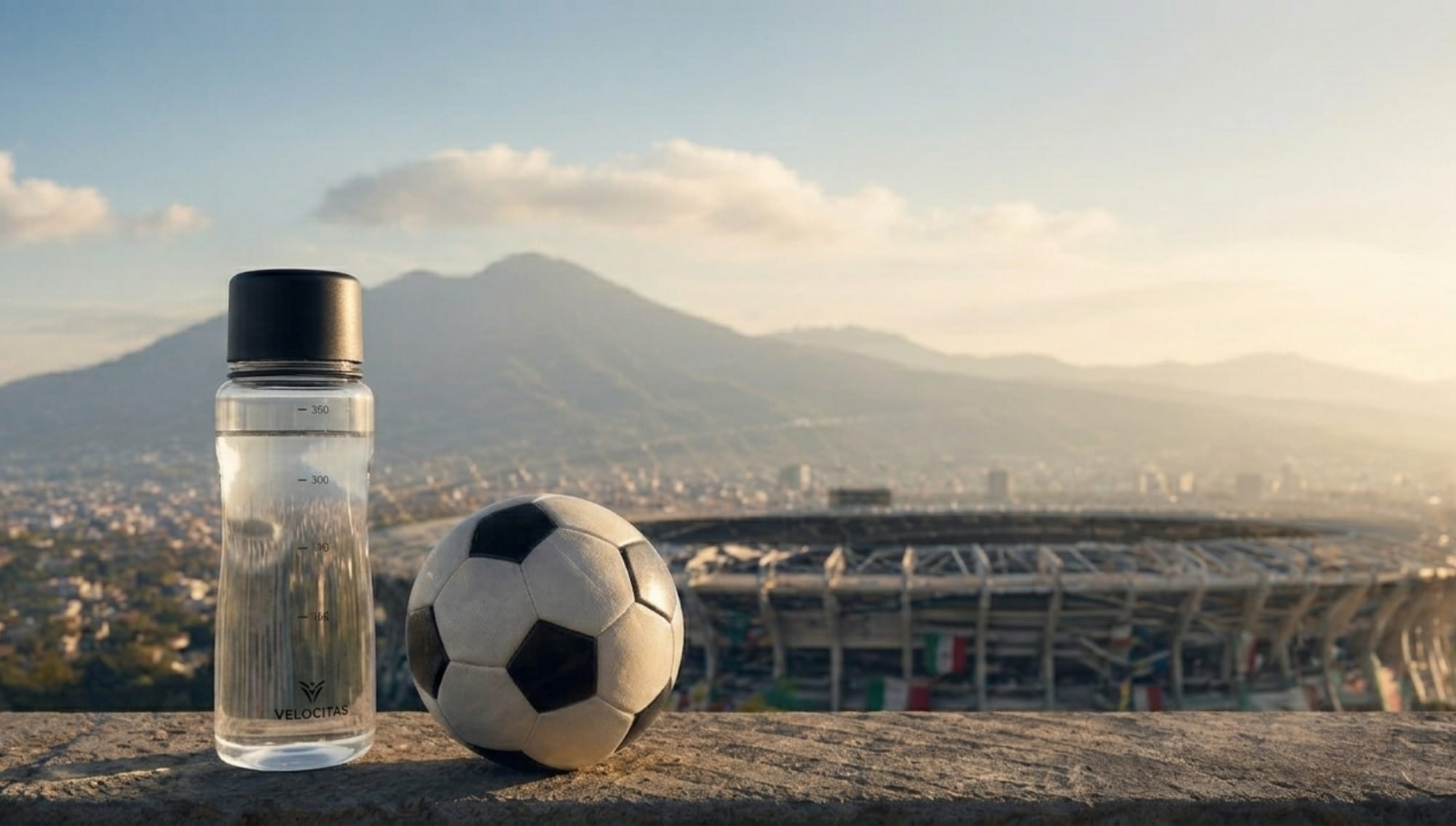
Mexico City sits at 2,240 meters (7,350 feet) above sea level, making it the highest host city for the 2026 World Cup. While most other venues like Miami, Vancouver, or New York are located at sea level, the atmosphere in the Mexican capital presents a unique physiological challenge for both players and fans.
At this elevation, the air is significantly thinner and drier, which can influence how the human body regulates fluid balance and oxygen delivery. Understanding the science of high-altitude dehydration is essential for anyone heading to the Estadio Azteca.
1. 2,240 Meters
To understand the challenge, we have to look at physics. As you climb higher, air pressure drops. Contrary to popular belief, the percentage of oxygen in the air stays the same (about 21%), but because the pressure is lower, the oxygen molecules are spread further apart.
At the altitude of the Estadio Azteca, the air is roughly 25% "thinner" than at sea level. Every breath you take delivers less oxygen to your bloodstream. For a world-class midfielder who covers 10km in a match, or even a fan walking up the steep stadium stairs, this creates an immediate high-stress environment. Your heart beats faster, your lungs work harder, and your body begins a frantic adaptation process that increases overall physiological strain and fluid turnover.
2. Respiratory Water Loss
Most of us think we only lose water when we sweat. In Mexico City, that couldn’t be further from the truth. This is where Respiratory Water Loss comes into play.
Because the air is thin, your body compensates by increasing your breathing rate. You breathe faster and deeper just to maintain your oxygen levels. At the same time, high-altitude air is notoriously dry.
Here is the mechanical problem: your lungs can only process air that is 100% humidified and warmed to body temperature. Every time you inhale that dry Mexico City air, your body has to "soak" it with moisture from your internal reserves before it reaches your lungs. When you exhale, you lose water vapor through exhalation, and this loss can increase slightly at high altitude due to higher ventilation rates.
The Fact: In this environment, you may lose more water through simple respiration as you would in a coastal city. You are dehydrating just by breathing.
3. Reduced Perception of Fluid Loss
In a humid, sea-level city like Houston, sweat drips off your forehead. It’s a visible reminder to grab a drink. But Mexico City’s low barometric pressure creates a phenomenon called "Insensible Water Loss".
Because the air pressure is so low, liquids evaporate into gas much faster. Sweat evaporates more quickly, reducing visible signs of sweating. You feel cool, dry, and comfortable, so your brain doesn't send the "thirsty" signal.
By the time you feel a nagging headache or a dry mouth, you are likely already 1.5% to 2% dehydrated. In sports science, a 2% drop in hydration may negatively affect endurance and cognitive performance in some athletes.
4. Impact on Professional Performance
What happens inside a player’s body when they lose this "silent" water? It comes down to Blood Viscosity.
Your blood is about 50% plasma, which is mostly water. When you dehydrate, your plasma volume drops, but your red blood cell count stays the same. The result? Blood viscosity may increase slightly due to reduced plasma volume.
For a World Cup player, this can increase cardiovascular strain during prolonged exercise:
-
Cardiac Stress: The heart has to pump much harder to move that thick blood through the vessels.
-
Muscle Fatigue: Thicker blood moves slower, meaning oxygen reaches the leg muscles later than needed.
-
Overheating: Blood also acts as a coolant. If the volume is low, the body’s internal temperature spikes, leading to early exhaustion and cramping.
5. Advice for Fans: Alcohol, Caffeine, and Altitude
If you’re a fan traveling to the games, the risks are just as real. The World Cup is a celebration, often involving beer or coffee. However, both are diuretics, which tell your kidneys to flush even more water out of your system.
When you combine a diuretic with the high evaporation rate of Mexico City, you may worsen dehydration and exacerbate symptoms of altitude discomfort. Alcohol may feel more potent at altitude and can contribute to dehydration. The dehydration hit is immediate, often leading to nausea, dizziness, and that specific "high-altitude hangover" that can ruin your trip.
The Golden Rule for Fans: For every cup of coffee or alcoholic drink, you are suggested to consume at least two glasses of pure, filtered water to stay level.
6. Symptom Checklist: Is the Altitude Winning?
Early detection is key. If you are in Mexico City for the games, watch for these early signs of high-altitude dehydration:
-
Elevated Resting Heart Rate: If your heart is racing while you’re just sitting in the stands, you’re likely low on fluids.
-
The "Altitude Headache": A dull throb behind the eyes is often a common early symptom of altitude stress caused by reduced oxygen availability and physiological adjustment.
-
Cognitive Delay: Finding it hard to follow the game or feeling unusually irritable? Your brain is lacking the fluid volume it needs.
Final Thoughts
The 2026 World Cup will be a tournament of endurance. While the players on the pitch are the ones battling for the trophy, everyone in the city is battling the environment. Mexico City is a beautiful, vibrant, and historic venue, but its altitude demands respect.
Whether you are an athlete or a spectator, the secret to enjoying the game is simple: understand the science, watch for the signs, and keep your water intake ahead of the invisible thief. Enjoy the greatest show on Earth!


