

Have you ever wondered what actually happens to that water between the municipal treatment facility and your glass? When you ask, “Is tap water safe to drink?” The answer isn’t a simple yes or no. The truth lies in a complex journey across miles of pipes, regulatory thresholds, and aging residential plumbing. Understanding where public utility responsibility ends and where homeowner responsibility begins is the key to taking complete control over your household’s drinking water safety.
1. What Water Utilities Do and What They Don't
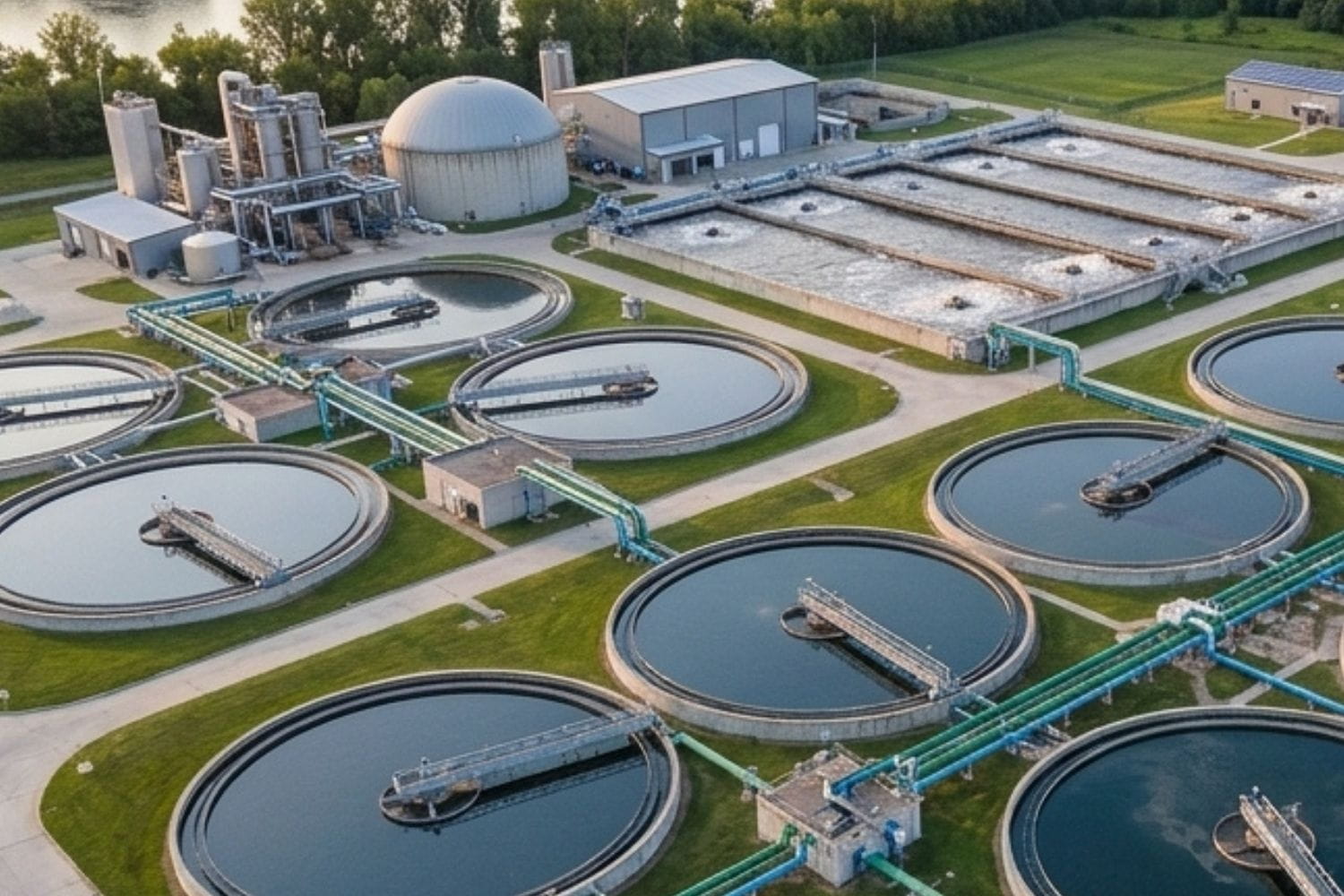
To appreciate your tap water quality, it helps to start at the source. Public water suppliers operate under strict mandates defined by regulatory bodies like the U.S. Environmental Protection Agency (EPA) under the Safe Drinking Water Act (SDWA). Municipal utilities collect raw water from rivers, lakes, reservoirs, or underground aquifers, applying multi-step treatment processes that typically include:
-
Coagulation & Flocculation: Chemicals are added to bind small floating particles together into larger clumps (floc).
-
Sedimentation: Heavy particles settle to the bottom of large treatment basins for systematic removal.
-
Filtration: Clear water passes through layers of sand, gravel, and charcoal to filter out smaller particulates and turbidity.
-
Disinfection: Chlorine, chloramines, or chlorine dioxide are added to kill harmful pathogens, bacteria, and viruses before water leaves the treatment plant.
By the time water exits the utility facility, it consistently meets legal limits for tested contaminants. However, "legally compliant" does not always mean "contaminant-free".
Regulatory Limits vs. Health Standards:
According to research by independent organizations like the Environmental Working Group (EWG), federal legal drinking water limits for many chemicals have not been updated in decades. A municipal utility may legally deliver water that contains trace levels of heavy metals, microplastics, nitrates, and disinfection byproducts (like trihalomethanes) that exceed health-based guidelines recommended by modern medical experts.
2. The "Last Mile" Problem: Infrastructure and Aging Pipes
Even if water leaves the municipal treatment facility in pristine condition, it must travel through miles of complex underground distribution mainlines to reach your neighborhood. This journey introduces what water quality engineers call the "Last Mile" vulnerability.
Much of North America’s drinking water infrastructure is decades old. As cast iron, concrete, and service pipes age, several unintended vulnerabilities occur:
|
Issue |
Primary Cause |
Impact on Tap Water |
|
Service Main Corrosion |
Aging underground utility mains |
Rust sediment, turbid water, and metallic taste. |
|
Lead Service Lines |
Pipes installed prior to 1986 lead bans |
Lead leaching into water, posing neurological health risks. |
|
Disinfection Byproducts (DBPs) |
Chlorine reacting with organic sediments in long pipes |
Unpleasant chemical odor, long-term exposure concerns. |
|
Micro-leaks & Pressure Drops |
Ground movement and structural cracks |
Potential intrusion of surrounding groundwater contaminants. |
Once water crosses your property line, municipal legal responsibility officially ends. The condition of your home’s interior plumbing, copper pipes, brass fixtures, and solder joints is entirely under your personal control.
3. Common Emerging Contaminants in Modern Tap Water
While municipal water treatment successfully eliminates dangerous biological waterborne diseases like cholera and typhoid, modern households face a new generation of chemical and industrial pollutants that traditional city filtration was never engineered to fully capture.
PFAS ("Forever Chemicals")
Per- and polyfluoroalkyl substances (PFAS) are synthetic chemicals widely used in non-stick cookware, water-repellent clothing, and firefighting foams. Known as "forever chemicals" because they do not easily break down in the environment or the human body, PFAS have been detected in municipal water systems across the nation.
Heavy Metals (Lead and Copper)
While utilities treat water to minimize pipe corrosion, sudden shifts in water chemistry or aging indoor plumbing can cause lead and copper to leach directly into kitchen faucets. Because lead is completely odorless and tasteless, harmful contamination can exist without any visual warning signs.
Microplastics and Pharmaceuticals
Recent environmental studies have uncovered widespread microplastic particles and trace amounts of prescription medications in municipal surface water sources. Standard city filtration and wastewater treatment processes are rarely equipped to filter out these microscopic compounds completely.
4. Taking Charge: Point-of-Use Water Filtration Solutions
Because municipal utilities are only responsible for water up to your property line, ensuring pure, crisp, and safe drinking water at your kitchen sink ultimately requires a dedicated home barrier. This is where modern Point-of-Use (POU) filtration plays a critical role.
Among various home filtration options such as basic pitcher filters, faucet attachments, and whole-house carbon blocks, Reverse Osmosis (RO) filtration systems are widely recognized by water safety experts as the most effective solution for residential drinking water purification.
How Reverse Osmosis Protects Your Tap
A reverse osmosis system works by forcing pressurized tap water through a semi-permeable membrane with pores as tiny as 0.0001 microns. To put that in perspective, a single strand of human hair is approximately 70 microns wide. This sub-microscopic filtration process effectively removes:
-
Up to 99% of total dissolved solids (TDS)
-
Heavy metals such as Lead, Arsenic, and Chromium-6
-
PFAS "forever chemicals" and microplastics
-
Chlorine, chloramines, unpleasant chemical odors, and volatile organic compounds (VOCs)
5. Sustainable and Reliable Pure Water at Home
At Filter United, we believe every family deserves transparent, reliable control over their daily drinking water quality without relying on costly single-use plastic bottled water. Taking charge of your home water quality doesn't have to be complicated or intimidating.
To meet diverse household needs, plumbing layouts, and water conditions, our flagship VIVA21 Series offers tailored under-sink reverse osmosis configurations designed for complete peace of mind:
-
VIVA21 5-Stage WQA-Certified Reverse Osmosis System: Built for maximum filtration precision, this system purifies water through a rigorous 5-stage process, certified to high industry standards for heavy metal and contaminant reduction.
-
VIVA21 6-Stage Remineralization RO System: Designed for those who appreciate crisp, natural-tasting water. This system purifies water through RO technology and then re-introduces beneficial natural minerals like calcium and magnesium, raising the pH to deliver balanced, healthy alkaline drinking water.
-
Complete Replacement Filter Sets & Accessories: Maintaining your filtration performance is simple with complete pre-filter replacement sets, individual specialty cartridges, and durable accessories built for quick installation and hassle-free maintenance.
Ready to Experience Truly Clean Water?
Protecting your family's health starts right at the kitchen faucet. Whether you need a high-performance under-sink RO system or long-lasting replacement filter sets, explore Filter United solutions today and discover the difference true purity makes in every glass.


