

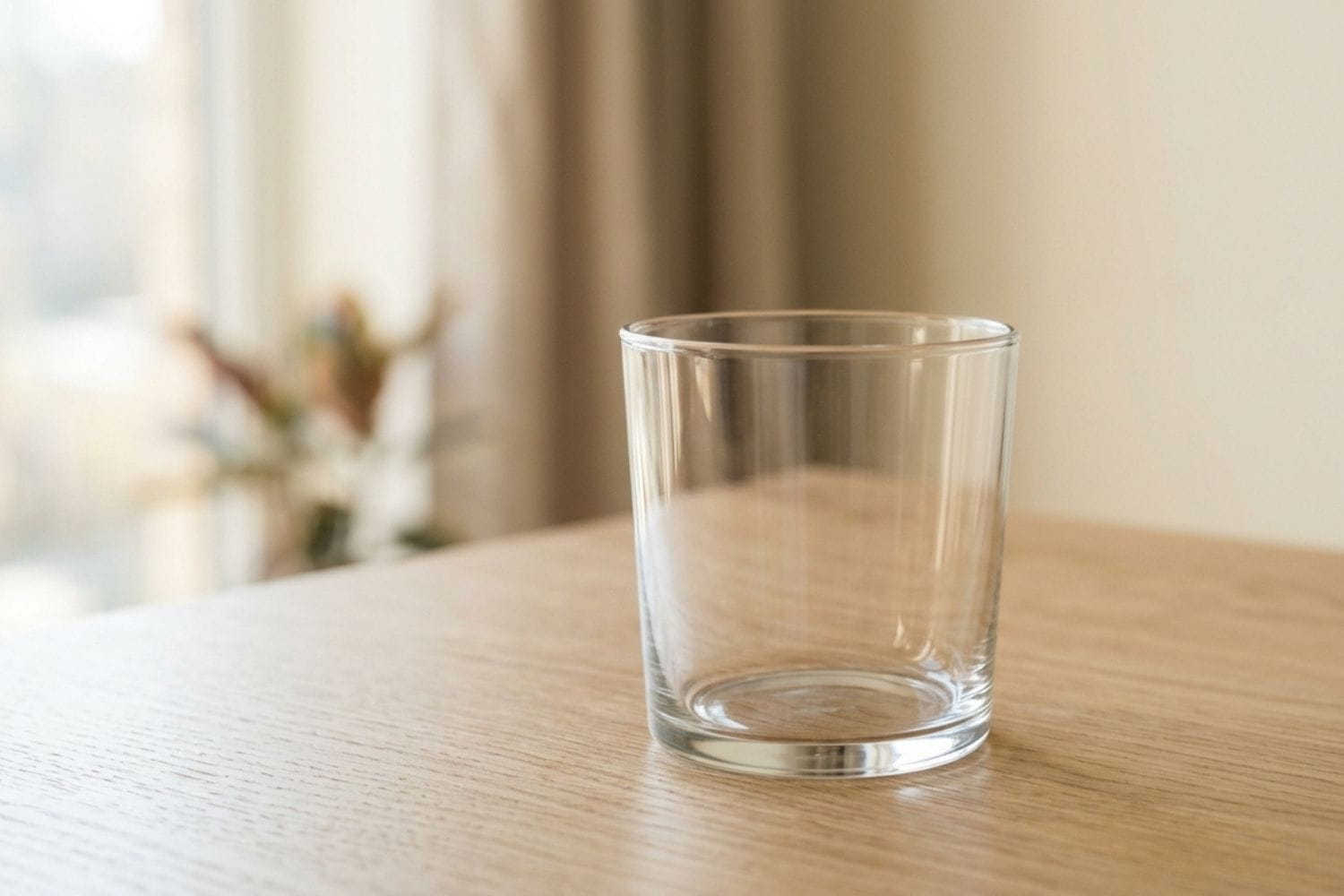
You pull a batch of freshly washed glassware out of the dishwasher, expecting crystal-clear, sparkling results. Instead, you're greeted by cloudy residue, milky films, or stubborn white spots dotting across the rim. You re-wash them by hand, scrub with dish soap, and run them under hot water, yet as soon as they air-dry, those chalky marks reappear.
If this scenario sounds familiar, you are not alone. Millions of homeowners encounter these mysterious spots daily. While they look unappealing, they aren't dirty soap residue or bacteria. What you’re looking at is a direct reflection of your home's water quality: residual mineral deposits left behind when pure water evaporates.
The Chemistry Behind White Water Spots: What Are They?
To understand why white spots form, it helps to take a quick look at how tap water travels into your home. As rainwater collects in rivers, reservoirs, and underground aquifers, it dissolves natural minerals from soil and rock formations, primarily calcium carbonate and magnesium.
When you wash dishes or run hot water over glass, pure H₂O molecules evaporate quickly into the air, especially in high-heat drying cycles. However, dissolved minerals cannot evaporate. As liquid water transforms into vapor, the minerals left behind precipitate out of solution and crystallize on the surface of your glassware, forming microscopic chalky deposits.
Key Takeaway: White spots on dishes are physical mineral precipitates–mostly calcium and magnesium–left behind after clean liquid water evaporates off smooth, non-porous surfaces.
Hard Water vs. Soft Water
Water hardness is determined by the concentration of dissolved minerals per gallon of water, measured in grains per gallon (GPG) or milligrams per liter (mg/L). According to data from the U.S. Geological Survey (USGS), over 85% of American homes have hard or moderately hard tap water.
-
Soft Water: 0 to 60 mg/L
-
Moderately Hard Water: 61 to 120 mg/L
-
Hard Water: 121 to 180 mg/L
-
Very Hard Water: Over 180 mg/L
If your home falls into the hard or very hard category, white mineral spots, crusty faucet buildup, and stubborn shower glass haze are practically inevitable without proper water filtration.
Limescale Buildup vs. Glass Etching
Not all cloudy glasses suffer from the exact same problem. Before taking action, it is essential to diagnose whether your glass is covered in mineral limescale buildup or has suffered permanent glass etching.
-
Mineral Limescale (Removable): Caused by high mineral concentration in tap water. It creates a rough texture or distinct chalky spots. Test method: Rub a drop of distilled white vinegar onto the affected glass. If the spot dissolves or clears up within a few minutes, it is temporary mineral buildup.
-
Glass Etching (Permanent): Caused by a combination of overly soft water, high dishwasher water temperatures, and aggressive dishwashing detergents containing phosphates or silicates. Etching actually corrodes or micro-scratches the glass surface itself. Test method: If vinegar has zero effect and the glass feels smooth but remains permanently hazy under light, the glass is etched and cannot be restored.
Are Mineral Deposits in Water Unhealthy?
From a biological standpoint, minerals like calcium and magnesium are essential nutrients. The World Health Organization (WHO) notes that dietary calcium and magnesium contribute positively to human bone health and cardiovascular support. Consuming hard water is generally harmless to your internal health.
However, from a home infrastructure and aesthetic perspective, excessive minerals cause substantial issues:
-
Aesthetic & Culinary Impact: High mineral content can distort the taste of drinking water, dull the flavor profile of coffee and tea, and leave clear ice cubes looking cloudy.
-
Household Fixture Damage: Limescale builds up inside pipes, coffee makers, water heaters, and dishwashers, reducing water pressure and forcing heating elements to work harder, leading to premature appliance failure.
-
Skin & Hair Irritation: Hard water minerals bind with soap molecules, leaving a thin film on skin that can clog pores, aggravate dryness, and strip natural oils from hair.
How to Remove White Spots from Glasses (Quick Household Fixes)
If you need an immediate solution to clean cloudy glasses currently sitting in your cabinet, try these simple DIY remedies:
-
The Vinegar Soak: Fill a basin with equal parts warm water and distilled white vinegar. Submerge your glasses for 15 to 30 minutes. The mild acetic acid in vinegar neutralizes alkaline calcium carbonate deposits, allowing them to wash away effortlessly.
-
Rinse Aid Adjustments: Ensure your dishwasher's rinse aid compartment is filled. Rinse aids reduce surface tension, causing water droplets to slide off glass surfaces in sheets rather than forming clinging droplets that leave dry spots.
-
Baking Soda Paste for Tough Spots: For stubborn localized spots, apply a paste of baking soda and water using a soft microfiber cloth. Gently wipe in circular motions, avoid abrasive sponges that can scratch fine glassware.
Long-Term Prevention: Eliminating Spots at the Source
While vinegar soaks work for individual glasses, addressing the root cause requires filtration technology designed to target total dissolved solids (TDS) and hardness minerals before water ever hits your dishes.
1. Water Softeners vs. Reverse Osmosis Systems
Many homeowners confuse water softeners with water purifiers. A traditional ion-exchange water softener swaps calcium and magnesium ions for sodium or potassium ions. While this prevents limescale buildup, it does not reduce total dissolved solids (TDS) or remove chemical contaminants, chlorine, microplastics, or heavy metals like lead and arsenic.
To achieve ultra-pure water that produces spot-free ice, spotless tea, and pristine glassware while providing premium drinking water, Reverse Osmosis (RO) filtration is widely considered the gold standard.
2. How Reverse Osmosis Delivers Spot-Free Results
Reverse Osmosis forces tap water through a semi-permeable membrane with pore sizes down to 0.0001 microns. This process rejects up to 95%–99% of dissolved minerals, salts, fluoride, nitrate, heavy metals, and organic impurities. Because RO water is virtually free of dissolved solids, it evaporates without leaving behind any mineral residue, eliminating white water spots entirely.
When selecting an RO solution for your home, technology choice depends on your household priorities:
-
For Maximum Purity & Spotless Protection: Systems like the 5-Stage Reverse Osmosis System utilize multi-stage filtration to strip away dissolved minerals, heavy metals, and micro-contaminants, delivering ultra-pure, spot-free water ideal for sensitive appliances, ice-makers, and crystal cookware.
-
For Balanced Minerals & Hydration: If you prefer mineral-enriched drinking water without sacrificing clarity, a system like the 6-Stage Remineralization RO System purifies tap water through reverse osmosis first, then passes it through an advanced remineralization stage. This restores optimal levels of essential calcium and magnesium for a smooth, refreshing taste while keeping unwanted impurities out.
-
Long-Term Performance: Maintaining spot-free water efficiency requires timely filter swaps. Utilizing efficient replacement media ensures your membrane stays protected from premature chlorine damage and sediment clogging.
White spots on glassware are a common, harmless, but frustrating symptom of hard water and high mineral content. Understanding whether your glasses suffer from temporary limescale or permanent etching allows you to apply the right fix. By combining simple household cleaning tricks with high-performance Reverse Osmosis filtration, you can protect your glassware, preserve your home appliances, and enjoy crisp, clean, spot-free water every single day.


