

The RO Efficiency
Reverse Osmosis (RO) is widely recognized as one of the most effective water purification technologies available for homeowners today. By forcing water through a semi-permeable membrane, these systems remove up to 99% of contaminants, including lead, arsenic, and fluorides. However, this precision comes with a trade-off that often surprises new owners: for every gallon of pure "permeate" water produced, a certain amount of "reject water" is sent down the drain.
Depending on the system's efficiency and input water pressure, the ratio can vary significantly. In many standard residential units, you might see a waste-to-pure water ratio of 3:1 or even 4:1. To the environmentally conscious consumer, this "efficiency gap" can feel like a step backward in sustainability.
But there is a vital shift in perspective needed here: Reject water is not "dirty" water. Instead of viewing this output as waste, we should treat it as a useful secondary resource: a concentrated mineral stream that, while unsuitable for drinking, is perfectly functional for a wide range of household tasks. By adopting a circular economy mindset at home, we can bridge this efficiency gap and make the most of every drop.
What is RO "Waste" Water?
To reuse this water effectively, we first need to understand what it contains and why it exists.
The Process: Cross-Flow Filtration
Unlike a standard sponge filter that traps particles inside it, the RO membrane uses cross-flow filtration. In this process, the feed water flows across the membrane. A portion passes through as pure water, while the remaining water sweeps the rejected minerals and impurities away. This "sweeping" action is essential because it prevents the membrane from clogging, ensuring the system continues to function correctly.
TDS Breakdown
The primary characteristic of RO waste water is its elevated Total Dissolved Solids (TDS) level. The reject water TDS usually measures higher than your tap water TDS. It carries the exact same minerals found in your tap water—calcium, magnesium, and potassium—just in a higher concentration. It is essentially "harder" water.
Safety First: Where NOT to Use It
While versatile, RO reject water has strict limitations. Due to the high mineral concentration and the potential presence of concentrated contaminants, it should never be used for:
-
Drinking or cooking: It is not safe for human or pet consumption.
-
Steam-based appliances: Never use it in steam irons, humidifiers, or high-end coffee machines, as the minerals will cause rapid scale buildup and damage the internal components.
-
Sensitive hygiene: It is generally not recommended for washing hair or bathing sensitive skin, as the high mineral content can cause dryness.
7 Creative Ways to Reuse RO Waste Water
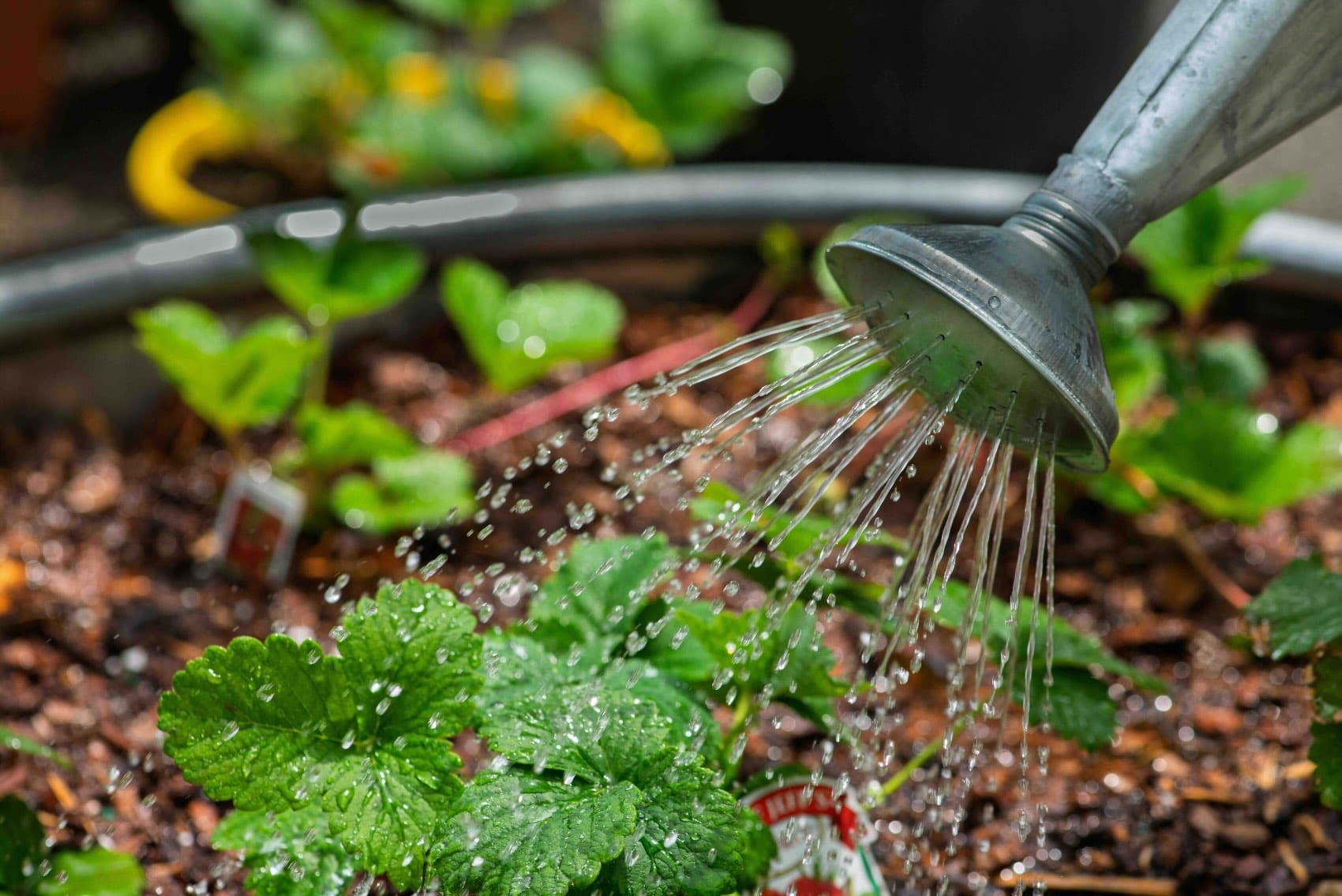
1. Gardening and Landscaping
Most outdoor plants are remarkably resilient and can thrive on water with higher TDS levels. This is perhaps the most common and effective way to recycle RO waste.
-
How to Use: Direct your RO waste line into a rain barrel or a dedicated storage tank. Use this for hardy shrubs, lawns, and established trees.
-
Why It Works: The minerals in the water (like calcium and magnesium) can actually benefit certain types of soil.
-
Pro Tip: Practice "soil leaching". Every few weeks, use fresh rainwater or tap water to deep-water these areas. This helps wash away any accumulated salts from the root zone, ensuring long-term soil health.
2. Floor Hygiene and Hard Surfaces
The mineral content in RO waste water makes it an excellent base for floor cleaning, particularly for durable surfaces like tile, stone, or cement.
-
How to Use: Mix the reject water with your preferred floor cleaner. The "hardness" of the water can actually provide a slight abrasive quality that assists in scrubbing away stubborn dirt.
-
Why It Works: Since this water is already destined for the drain, using it for mopping saves several gallons of fresh tap water per cleaning session.
-
Note: Avoid using it on delicate hardwood or high-gloss marble without a trial, as the minerals might leave faint white streaks.
3. Toilet Flushing: The "Bucket Method"
A single flush can use between 1.6 to 3 gallons of water. Using RO reject water here provides a massive dent in your daily water consumption.
-
How to Use: Keep a 5-gallon bucket in the bathroom. When the RO system is running, collect the waste. To flush, simply pour the bucket quickly into the toilet bowl, and the pressure of the water will trigger the siphon effect manually.
-
Plumbing Integration: For those who are more DIY-inclined, you can plumb the waste line directly into a secondary header tank that feeds the toilet cistern.
4. Vehicle and Outdoor Maintenance
Washing a car doesn't always require "drinking-grade" water, especially for the initial rinse and cleaning the wheels.
-
How to Use: Use the water to knock off thick mud, road salt, and grime from driveways, porch steps, or car tires.
-
Why It Works: The concentrated minerals won't hurt your tires or concrete.
-
Note: For the final rinse on your car's paintwork, you may want to use a mix of pure water to avoid "water spots" caused by the minerals drying on the surface.
5. Pre-Soaking Heavily Soiled Laundry
Before putting work clothes, gardening rags, or muddy uniforms into the washing machine, they often need a pre-soak.
-
How to Use: Fill a basin with RO reject water and a bit of detergent. Let the items sit for an hour.
-
Why It Works: The minerals in the water will not harm durable fabrics, and using "waste" water for the soak allows your washing machine to use less fresh water during the actual cycle.
6. Evaporative/Desert Coolers
In dry climates, evaporative coolers consume significant amounts of water to chill the air. Using RO waste here is a classic example of circular efficiency.
-
How to Use: Feed the reject water into the cooler's reservoir.
-
Why It Works: The cooler uses evaporation to lower the temperature, and the reject water is perfectly capable of this phase change.
-
Maintenance Tip: Because the water evaporates, the minerals stay behind. You will need to clean the cooling pads and the reservoir more frequently to prevent scale buildup.
7. Cleaning Household Fixtures and Outdoor Furniture
Outdoor furniture, plastic playsets, and metal gates often accumulate a layer of grime that requires vigorous scrubbing.
-
How to Use: The high-mineral content acts as a mild "scrubbing agent". Use it with a stiff brush to scrub down patio chairs or garden tools.
-
Why It Works: It is excellent for "pre-washing" trash cans or outdoor bins to keep them hygienic without wasting treated tap water.
Conclusion: Building a Circular Home
Modern sustainability isn't about achieving 100% perfection, it's about maximizing the utility of every resource we touch. By repurposing RO reject water, you aren't just saving pennies on your utility bill—you are actively participating in a sustainable water solution. You are reducing the load on municipal treatment plants and conserving local groundwater supplies.
At Filter United, we believe that technology should empower you to live more responsibly without sacrificing the quality of your lifestyle. Our latest RO systems are designed with peak efficiency in mind, but no matter what system you use, these seven steps will help you close the loop.


