

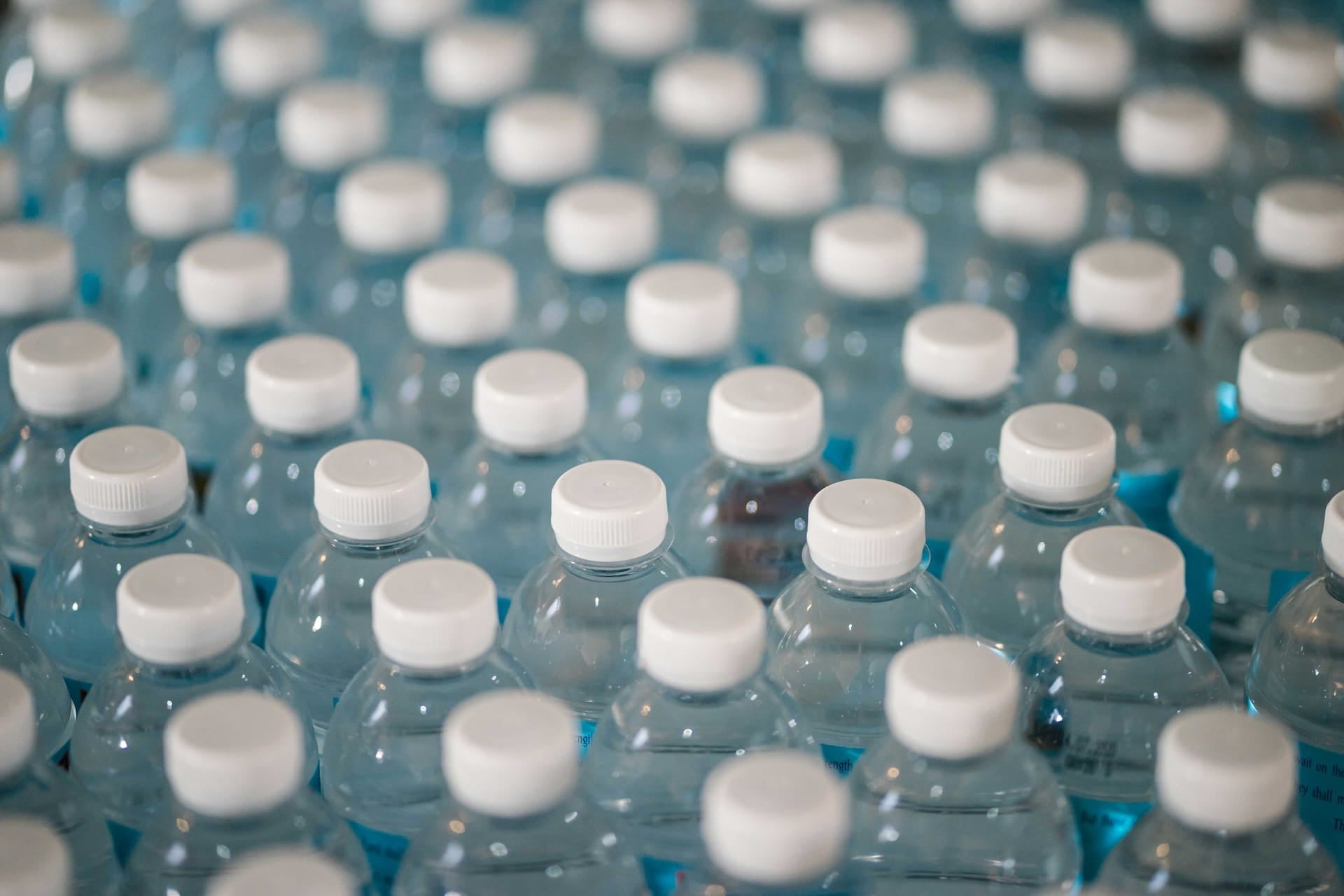
For many homeowners, bottled water feels like the easiest and safest option. You grab a case during your weekly grocery run, stack it in the garage, and never think twice. But when you slow down and look at the numbers, bottled water turns out to be one of the most expensive and wasteful ways to stay hydrated.
This article breaks down the RO system cost vs bottled water in a clear, practical way. We’ll walk through real-world assumptions, simple math, and a table you can reuse for your own household. By the end, you’ll see exactly how much RO water costs per gallon, when the system pays for itself, and why so many homeowners are switching to reverse osmosis for both financial and environmental reasons.
1. The Hidden Cost of Bottled Water Convenience
Bottled water often feels cheap because you’re paying a few dollars at a time. But those small purchases add up fast. According to the Environmental Protection Agency, tap water in the U.S. costs fractions of a cent per gallon, while bottled water can cost hundreds, even thousands of times more for essentially the same end use: drinking.
The real issue isn’t just price per bottle. It’s:
-
Daily consumption over an entire year
-
The ongoing cost with no long-term payoff
-
The plastic waste created along the way
This is where comparing RO system cost vs bottled water becomes eye-opening. Instead of paying again and again, a home RO system is a one-time investment with low annual maintenance.

2. Three Variables That Determine Your True Cost
To fairly answer “is reverse osmosis cheaper than bottled water?”, we need to look at three simple variables:
-
Initial cost (for the RO system)
-
Annual maintenance cost (filters and water use)
-
Daily water consumption (how much your family actually drinks)
Once you plug in realistic numbers, the return on investment becomes very clear.
3. Step-by-Step Cost Breakdown: Bottled Water vs. RO
1. Annual Cost of Bottled Water
Let’s use a conservative and realistic scenario.
Assumptions
-
Family of four
-
2 liters per (or 0.5 gallon) person per day
-
Total daily consumption: 8 liters (or 2 gallons)
-
Average bottled water cost: $0.50 per liter (or $2.00/gallon)
(Many single bottles cost more, large multipacks may cost less, but $0.50 is a fair middle ground.)
Calculation
-
8 liters/day × 365 days × $0.50/liter (or 2 gallons/day × 365 days × $2.00/gallon)
-
Annual bottled water cost: $1460
This number surprises many homeowners. Nearly $1,500 per year is quietly leaving your household budget, and there’s no asset to show for it.
2. Annual Cost of a Reverse Osmosis System
Now let’s look at the same household using a traditional under-sink RO system with a tank.
Initial Investment
-
RO system purchase price: $200
-
Optional professional installation: $100
Total upfront cost: $300
This is a one-time cost, not a recurring one.
Annual Operating Cost
-
Filter replacement: ~$40 per year
-
Water usage (even with a 3:1 waste ratio): <$10 per year for most households
Total annual operating cost: ~$50
This answers a common question homeowners ask: how much does RO water cost per gallon? When you spread this operating cost across thousands of gallons, the per-gallon price is extremely low and far below bottled water.
3. Side-by-Side Cost Comparison Table
You can adapt the table below using your own numbers. This format also works well as a quick reverse osmosis ROI calculator.
|
Category |
Bottled Water |
Reverse Osmosis |
|
Upfront Cost |
$0 |
$300 |
|
Annual Water Cost |
$1,460 |
~$50 |
|
Cost After 1 Year |
$1,460 |
~$350 |
|
Cost After 3 Years |
$4,380 |
~$450 |
|
Cost After 5 Years |
$7,300 |
~$550 |
Even when factoring in the cost of filter replacement per year, the long-term savings are dramatic.
4. The Break-Even Point: When RO Pays for Itself
Now let’s look at the return on investment.
-
Bottled water spending per year: $1,460
-
RO cost in Year 1: $300 (system) + $50 (operation) = $350
Net savings in Year 1
-
$1,460 − $350 = $1,110 saved
At that rate, the system pays for itself in under 3 months. This is the key takeaway for homeowners comparing RO system cost vs bottled water. Even if your bottled water habits are more modest, the break-even point is usually well under one year.
4. The Plastic-Free Bonus Most People Forget
Cost savings alone are compelling, but there’s another benefit that’s hard to ignore: plastic reduction.
-
8 liters of water per day equals roughly 16 standard 500ml bottles.
-
16 bottles/day × 365 days
-
5,840 plastic bottles per year
That’s from just one household. Organizations like the World Health Organization and National Resources Defense Council have repeatedly raised concerns about plastic waste, recycling inefficiencies, and the environmental footprint of bottled water production and transport.
Switching to RO doesn’t require changing your lifestyle, just where your water comes from. You still enjoy clean, great-tasting water, but without constantly buying, carrying, and disposing of plastic bottles.
5. Why Many Homeowners Choose Under-Sink RO Systems
For homeowners, under-sink RO systems with tanks are popular because they:
-
Deliver purified water on demand
-
Fit neatly under standard kitchen cabinets
-
Provide consistent water pressure and storage
-
Have predictable, low annual maintenance
When evaluating “is reverse osmosis cheaper than bottled water”, these systems strike a balance between performance, reliability, and long-term cost control.
Final Thoughts: Spend Smarter, Waste Less
When you compare bottled water and RO side by side, the conclusion is straightforward. Bottled water often costs around $2 per gallon, while RO water typically costs under $0.1 per gallon after installation and maintenance.
For a typical family, that difference adds up fast. Bottled water can quietly drain nearly $1,500 per year from your household budget, while a home RO system requires about $300 upfront and roughly $50 per year to operate. The break-even point often arrives in just a few months.
From a purely financial perspective, the RO system cost vs bottled water comparison strongly favors reverse osmosis. Add in the reduction of thousands of plastic bottles per year, and the value becomes even clearer. Ready to see what the numbers look like for your household? Use the table above as your own reverse osmosis ROI calculator, adjust it for your family’s habits, and discover how quickly RO can start saving you money, while helping you move toward a plastic-free kitchen.


