

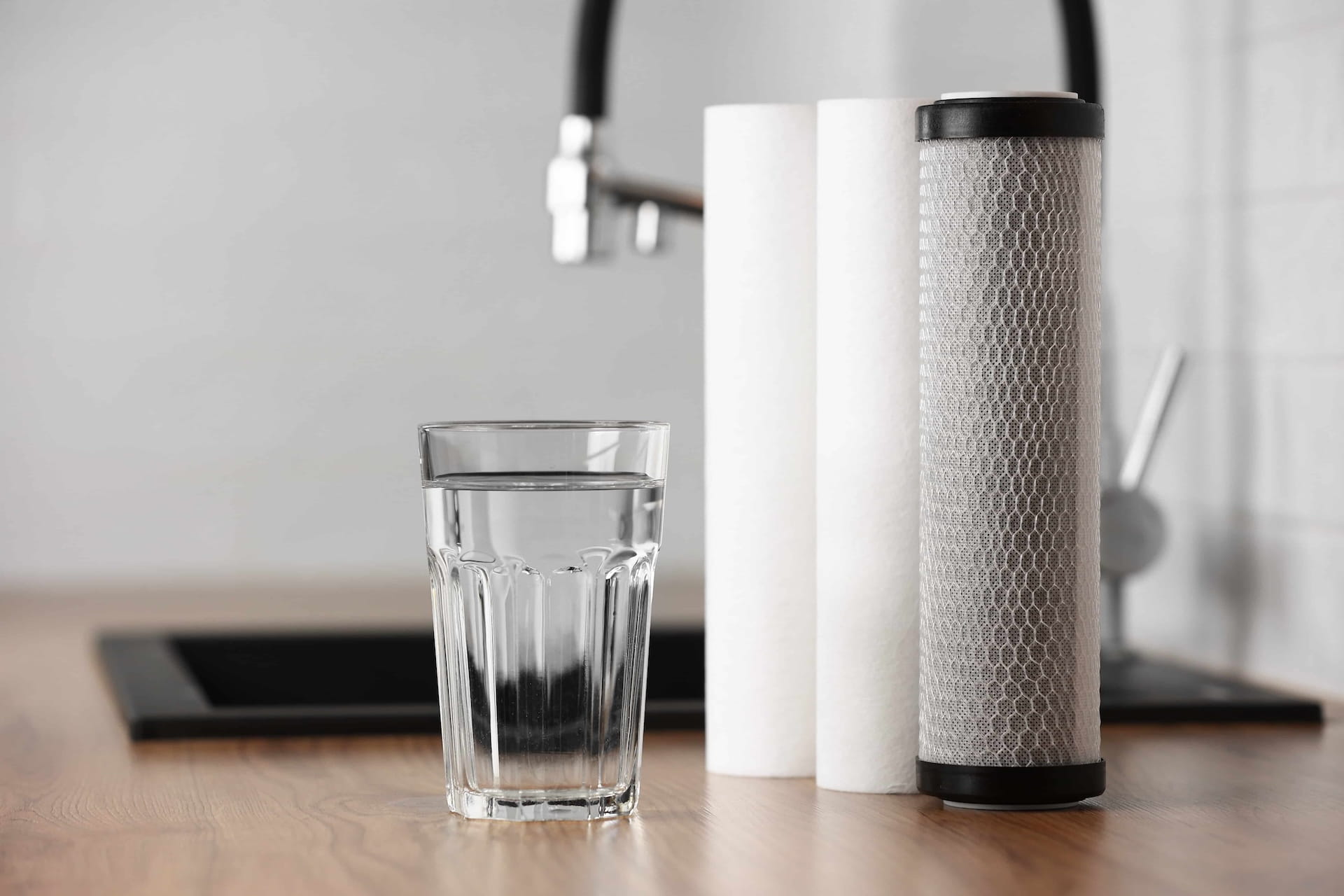
Buying a reverse osmosis (RO) system often feels like a smart, one-time investment. You compare system prices, read reviews, and pick a model that fits your kitchen and budget. But many homeowners discover something unexpected after the first year: the system was affordable, yet the reverse osmosis filter replacement cost wasn’t. It’s a bit like buying a printer. The machine itself may be reasonably priced, but the ink cartridges can quietly cost far more over time.
In this guide, we’ll break down the true cost of ownership of an RO system, so you’re not caught off guard by ongoing maintenance expenses. We’ll explain the real difference between proprietary vs universal water filters, calculate long-term costs, and highlight the hidden factors many buyers overlook.
1. Why Reverse Osmosis Filter Replacement Cost Matters More Than the System Price
When shopping for an RO system, most homeowners focus on the upfront price. That makes sense because it’s the most visible number. But what really determines affordability is the cost of maintaining an RO system over time.
Almost all under-sink RO systems require:
-
Pre-filter replacements every 6–12 months
-
Carbon filter replacements annually
-
RO membrane replacement every 2–3 years
These costs repeat for as long as you own the system. Over five years, filter replacements often exceed the original purchase price.
This is where many homeowners feel “locked in.” The system works well, but replacement filters are brand-specific, expensive, or hard to source. Understanding filter types before buying is the key to avoiding that frustration.

2. Proprietary vs Universal Water Filters: What’s the Real Difference?
The biggest factor influencing long-term cost is whether your RO system uses proprietary or universal (standard) filters. The difference isn’t about water quality, it’s about design, convenience, and pricing.
Universal (Standard 10-Inch) Filters
Universal filters follow industry-standard sizes, most commonly 10-inch cartridges, used across many filtration systems.
Pros
-
Widely available online and in hardware stores
-
Multiple manufacturers keep prices competitive
-
Among the cheapest RO filters to replace
-
Typical annual cost: $30–$50
Cons
-
Require basic tools like a filter wrench
-
Filter changes take more time
-
Can be slightly messy if not done carefully
For homeowners comfortable with light DIY tasks, universal filters offer unmatched affordability.
Proprietary (Quick-Change) Filters
Proprietary filters are brand-specific cartridges designed for tool-free, twist-and-click replacement.
Pros
-
Extremely fast and clean filter changes
-
No tools required
-
Ideal for users who value convenience
Cons
-
Must be purchased from the original brand
-
Limited competition keeps prices higher
-
Annual replacement cost often $80–$150
This is where concerns about “lock-in” usually arise. Once you own the system, you’re committed to that brand’s pricing. Neither option is inherently better, but the long term cost of an RO system can vary dramatically depending on which path you choose.
3. Total Cost of Ownership: A 5-Year RO System Cost Comparison
To see how this plays out in real life, let’s compare two typical homeowner scenarios over five years.
System A: Low Upfront Price, Proprietary Filters
-
Initial system cost: $180
-
Annual filter replacements: $120
-
RO membrane replacement (every 3 years): $90
5-Year Cost Breakdown
-
Filters (5 years): $600
-
Membrane: $90
-
System cost: $180
Total: $870
System B: Higher Upfront Price, Universal Filters
-
Initial system cost: $350
-
Annual filter replacements: $40
-
RO membrane replacement (every 3 years): $80
5-Year Cost Breakdown
-
Filters (5 years): $200
-
Membrane: $80
-
System cost: $350
Total: $630
The Break-Even Point
Even though System B costs more upfront, it becomes the more economical choice by Year 3. This is why experienced homeowners increasingly evaluate the reverse osmosis filter replacement cost before buying, not after.
4. Hidden RO System Costs Homeowners Often Miss
Filter replacements aren’t the only expense to consider. A realistic estimate of the cost of maintaining an RO system should include the following factors.
RO Membrane Replacement
RO membranes typically last 2–3 years, depending on water quality and usage. This cost is often excluded from marketing materials but should always be part of your long-term calculation.
Water Efficiency and Wastewater
All RO systems produce wastewater as part of the filtration process. However, newer designs are significantly more efficient than older models.
High-efficiency systems can reduce wastewater, which may slightly lower your water bill over time. While this won’t outweigh filter costs, it can help offset part of the long term cost of an RO system.
Availability and Shipping Costs
Some proprietary filters require ordering directly from the manufacturer. Shipping fees and stock availability can add both cost and inconvenience, especially if you need replacements quickly.
5. Choosing the Right Balance: Cost, Convenience, and Control
So what’s the right choice?
-
If maximum convenience matters most, proprietary quick-change systems can be a good fit, as long as you’re comfortable with higher replacement costs.
-
If lowest lifetime cost is the priority, universal filters clearly win.
-
For many homeowners, the ideal solution sits in the middle: a well-built RO system designed to minimize ongoing expenses without making maintenance difficult.
This is why more buyers are looking beyond “cheap systems” and instead comparing proprietary vs universal water filters before making a final decision.
Final Thoughts: Making a Smart, Long-Term RO Investment
A reverse osmosis system is one of the most effective ways to improve drinking water quality at home. But the real value isn’t just in how the water tastes, it’s in how predictable and reasonable the long-term costs are.
Before purchasing, always ask:
-
What is the reverse osmosis filter replacement cost per year?
-
Are replacement filters widely available?
-
What will this system cost me after 3–5 years?
At VIVA21, we believe homeowners deserve transparency. Our 5-stage under-sink RO system with tank is designed to balance performance, ease of maintenance, and long-term affordability, without locking you into excessive annual costs.
If you’re looking for an RO system that delivers clean water and peace of mind, understanding the true cost of ownership is the smartest place to start. Clean water shouldn’t come with hidden surprises.


