

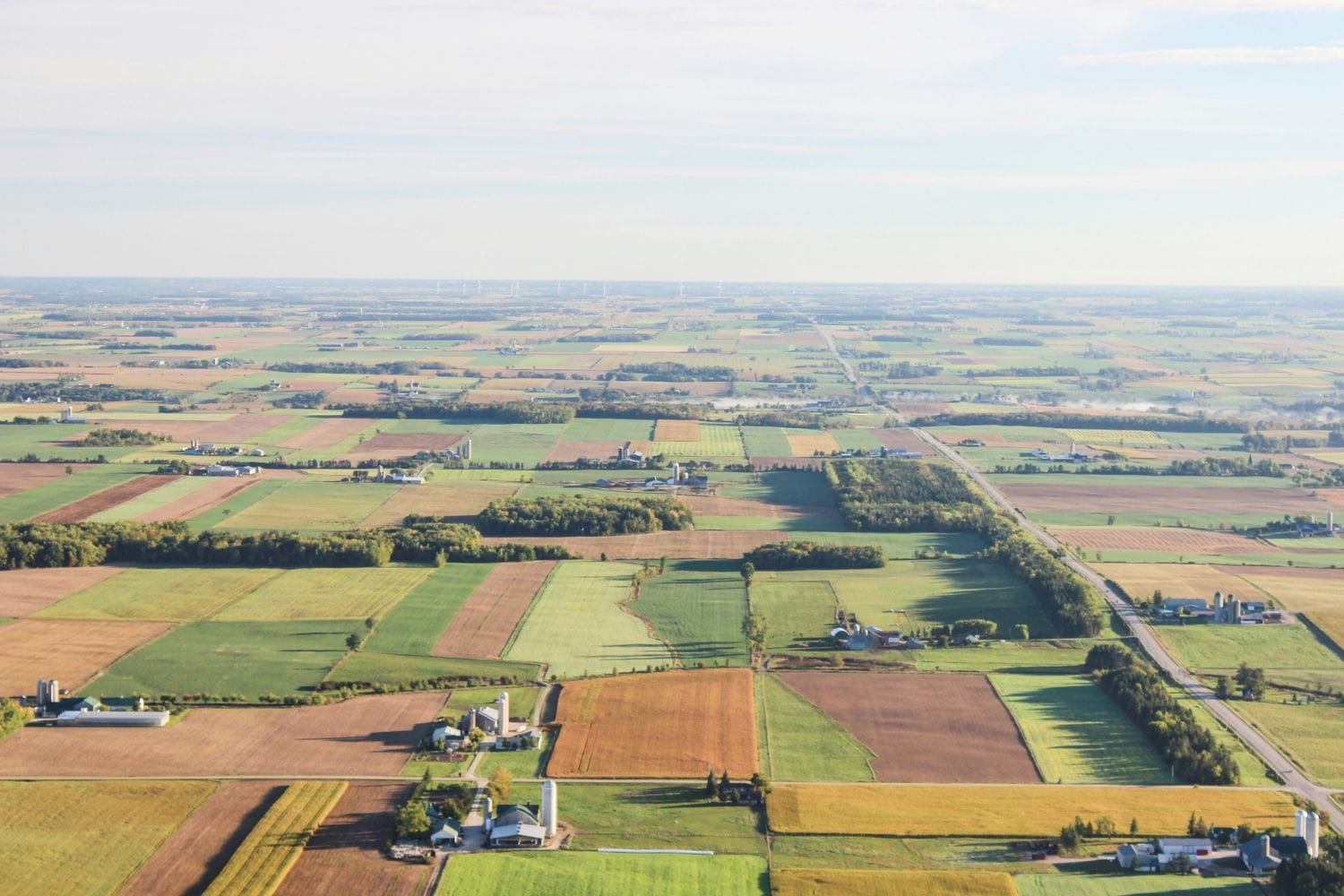
Living in rural or semi-rural America comes with undeniable perks: open skies, close-knit communities, and proximity to the fields and farms that feed the nation.
While farming is essential, the heavy use of synthetic fertilizers, livestock manure, and crop-protection chemicals has created an ongoing challenge for rural water supplies. Contaminants like nitrates, herbicides, and pesticides frequently seep into localized aquifers and shallow wells.
For homeowners relying on private well water or small municipal systems, understanding how agricultural runoff enters drinking water and knowing how to effectively filter it out is critical for protecting long-term family health.
1. How Agricultural Runoff Reaches Your Kitchen Tap
To understand why rural tap water is particularly vulnerable, it helps to look at how water moves through the environment.
When rain falls or irrigation systems run across fertilized farmland, the soil acts like a giant sponge. While soil absorbs a portion of nutrients and chemicals, heavy rainfall or over-irrigation washes excess compounds beyond the root zone. From there, contaminants follow two main pathways:
-
Surface Runoff: Rain carries surface chemicals directly into nearby rivers, streams, and reservoirs, which are sources often tapped by rural municipal water providers.
-
Subsurface Leaching: Dissolved chemicals filter downward through soil layers and bedrock, eventually reaching underground aquifers. This process can take months or even decades, meaning today’s tap water issues may stem from farming practices used years ago.
Because rural households often rely on private wells, which are not regulated by the federal Safe Drinking Water Act, owners are personally responsible for testing and purifying their own water. Meanwhile, small community water systems often lack the high-tech treatment infrastructure needed to eliminate microscopic chemical runoff.
2. Nitrates and Pesticides
While farm runoff carries various elements, two specific categories pose the greatest risk to rural drinking water: nitrates and pesticides.
Nitrates
Nitrates are inorganic compounds composed of nitrogen and oxygen, heavily present in synthetic nitrogen fertilizers and animal manure.
-
The Science & Safety Limits: The U.S. Environmental Protection Agency (EPA) sets the legal Maximum Contaminant Level (MCL) for nitrate at 10 milligrams per liter (mg/L). This standard was originally established to prevent methemoglobinemia, commonly known as "blue baby syndrome"—a dangerous condition where nitrates impair the blood's ability to carry oxygen in infants under six months old.
-
Widespread Impact: Recent environmental studies indicate that millions of Americans drink water from systems with detectable nitrate levels elevated by human activity. Furthermore, health organizations note that long-term exposure to nitrates, even at levels below the federal limit, may be linked to elevated risks of thyroid dysfunction and certain digestive tract cancers.
Pesticides and Herbicides
Pesticides encompass a broad group of chemicals, including herbicides (weed killers), insecticides, and fungicides. Popular compounds like Atrazine, Glyphosate, and Metolachlor are applied across millions of acres of farmland every season.
-
Persistence in Water: Unlike organic matter, many synthetic pesticides do not break down quickly once they seep into deep, dark groundwater environments lacking sunlight and oxygen.
-
Health Concerns: Long-term exposure to trace pesticide residues in drinking water has been linked to endocrine disruption, hormonal imbalances, liver and kidney strain, and heightened risk of chronic ailments.
|
Contaminant Type |
Primary Agricultural Source |
Key Health Risks |
Standard EPA Limit |
|
Nitrates |
Synthetic fertilizers, manure runoff |
Infant blue baby syndrome, thyroid issues, long-term health risks |
10 mg/L |
|
Atrazine (Herbicide) |
Corn and sorghum field application |
Endocrine disruption, reproductive toxicity |
0.003 mg/L |
|
Glyphosate |
Non-selective weed control |
Organ stress, potential carcinogenic classification |
0.7 mg/L |
3. Common Household Questions About Water Purification
When rural homeowners discover their tap water may contain chemical runoff, they often turn to quick DIY fixes. Unfortunately, several common home remedies fail to solve the problem and can sometimes make it worse.
#1: "Boiling water makes it safe from chemical runoff."
Reality: Boiling kills bacteria, viruses, and parasites. However, as water evaporates during boiling, inorganic contaminants like nitrates and heavy metals become more concentrated, rendering the water more hazardous to drink.
#2: "A standard refrigerator or pitcher filter is all I need."
Reality: Basic carbon pitcher filters are designed primarily to improve taste and reduce chlorine odor. They lack the fine filtration density required to effectively trap tiny, dissolved nitrate molecules or complex synthetic pesticide compounds.
#3: "My water looks and tastes fine, so it must be safe."
Reality: Nitrates and many modern pesticides are completely colorless, odorless, and tasteless. Water can test significantly above safety thresholds without showing any visual or sensory warning signs.
4. Reverse Osmosis (RO): The Gold Standard for Runoff Removal
To reliably remove microscopic dissolved solids like nitrates, pesticides, and heavy metals, water treatment professionals consistently recommend Reverse Osmosis (RO) technology.
Unlike conventional physical screens, a reverse osmosis system forces incoming tap or well water under high pressure through a semi-permeable membrane with pore sizes down to 0.0001 microns, which is roughly 500,000 times smaller than a human hair.
Because nitrate ions and complex pesticide molecules are physically larger than pure water molecules, the RO membrane rejects up to 90%–98% of these impurities, flushing them away and leaving clean, purified drinking water for cooking and beverage preparation.
5. Practical Steps to Take Control of Your Rural Tap Water
Protecting your household from agricultural runoff doesn't have to be overwhelming. You can secure clean drinking water by taking three proactive steps:
-
Test Your Water Annually: If you use a private well, order an accredited lab test every spring or early summer after heavy agricultural fertilization and rain cycles. Test specifically for nitrates, nitrites, pesticide panels, and pH levels.
-
Install Point-of-Use RO Protection: Equip your primary drinking and cooking tap with a high-efficiency reverse osmosis system designed to strip out dissolved chemical compounds.
-
Maintain Your System: Ensure pre-filters and post-filters are regularly replaced to protect the core filtration membrane and ensure long-term performance.
For homeowners seeking reliable protection against complex agricultural contaminants, Filter United offers targeted solutions through the VIVA21 product line. Options range from the 5-Stage WQA-Certified Reverse Osmosis System for robust contaminant rejection to the 6-Stage Remineralization Reverse Osmosis System, which restores beneficial natural minerals post-filtration. Complete filter sets, pre-filters, and replacement accessories are also available to keep system maintenance seamless.
Final Thoughts
Agricultural runoff remains an ongoing reality for rural and suburban communities. While agricultural production remains vital, taking personal responsibility for your household's drinking water ensures your family enjoys fresh, pure, and safe tap water every day. Investing in a proven reverse osmosis solution provides long-term peace of mind against unseen nitrates and chemical runoff right at your tap.


