

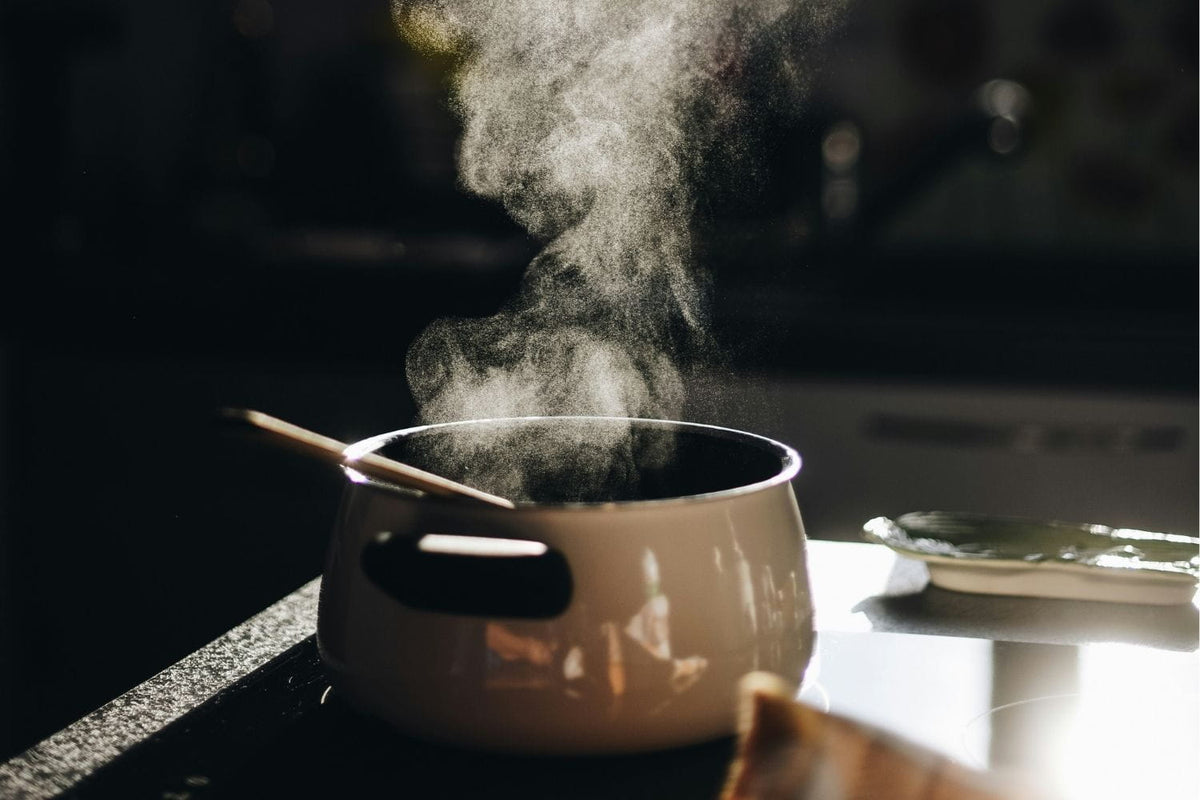
For generations, boiling water has been considered the ultimate home-purification method. It’s simple, free, and requires no special equipment beyond a pot and a heat source. But as modern water concerns shift from microbial outbreaks to industrial runoff, heavy metals, and microplastics, a vital question emerges: Does boiling water actually make it safe to drink for your daily health?
The short answer? Boiling is excellent at killing biological threats like bacteria and viruses, but it cannot remove chemical pollutants, heavy metals, or dissolved solids. In fact, under certain conditions, boiling water can actually increase the concentration of harmful inorganic contaminants.
In this guide, we’ll explain the science behind boiling water, break down exactly what heat can and cannot remove, compare boiling with modern filtration, and help you determine the best approach for clean, safe drinking water at home.
What Heat Actually Kills
To understand why boiling is so widely recommended during public health emergencies, it helps to understand what happens at a microscopic level when water reaches its boiling point.
High heat destroys the cellular structures and denatures the essential proteins of living micro-organisms, rendering them inactive or dead. According to the Centers for Disease Control and Prevention (CDC) and the U.S. Environmental Protection Agency (EPA), bringing water to a rolling boil for at least 1 minute (or 3 minutes at elevations above 6,500 feet / 2,000 meters) effectively neutralizes virtually all biological pathogens.
Biological Contaminants Removed by Boiling:
-
Pathogenic Bacteria: E. coli, Salmonella, Cholera, Campylobacter, and Shigella.
-
Viruses: Hepatitis A, Norovirus, Rotavirus, and Enteroviruses.
-
Parasites & Protozoa: Giardia lamblia and Cryptosporidium (both of which have tough outer shells that resist chlorine disinfection but succumb quickly to heat).
If your primary concern is microbial contamination, such as after a flood, a broken main water line, or during an outdoor camping trip, boiling water is an unbeatable, lifesaving first line of defense.
Key Takeaway: Boiling is an effective sterilization method for living germs, but sterilization is not the same as full purification.
What Boiling CANNOT Remove
While boiling handles living organisms, it has zero effect on non-biological toxins. Because pure water evaporates into steam during the boiling process, the liquid left behind in your pot actually decreases in volume, meaning any non-volatile dissolved solids or metals remain in the pot, becoming more concentrated.
Here is a look at what heat simply cannot eliminate:
1. Heavy Metals (Lead, Arsenic, Mercury, Nitrate)
Heavy metals enter tap water through aging infrastructure, lead service pipes, or natural geological deposits. Heat does not break down metallic elements. If your water contains lead or arsenic, boiling it for 10 minutes will only reduce the liquid volume and raise the metal concentration per ounce.
2. Synthetic Chemicals & "Forever Chemicals" (PFAS)
Per- and polyfluoroalkyl substances (PFAS), pesticides, herbicides, and industrial solvents have extremely strong chemical bonds. Ordinary boiling temperatures are nowhere near high enough to break down these synthetic compounds.
3. Chlorine and Chloramines
Municipal water treatment facilities add chlorine or chloramines to disinfect tap water. While free chlorine will slowly evaporate when boiled, chloramines (a combination of chlorine and ammonia used by many modern water districts) are far more stable and remain in boiled water, often contributing to an off-putting chemical smell and taste.
4. Microplastics & Dissolved Minerals
Microscopic plastic particles from degraded industrial materials and environmental runoff do not disappear when boiled. Similarly, hard water minerals (calcium and magnesium) remain in the water, often forming scales inside your kettle rather than being purified away.
Water Purification Methods: A Quick Comparison
To help you see how boiling measures up against modern filtration techniques, here is a direct breakdown of common household water quality concerns:
|
Contaminant Type |
Examples |
Boiling Water |
Basic Carbon Pitcher |
Reverse Osmosis (RO) |
|
Bacteria & Viruses |
E. coli, Norovirus |
Removes (100%) |
Does Not Remove |
Removes |
|
Protozoa & Cysts |
Giardia, Cryptosporidium |
Removes (100%) |
Partial |
Removes |
|
Heavy Metals |
Lead, Arsenic, Mercury |
Increases Concentration |
Partial |
Removes (up to 99%) |
|
PFAS / Forever Chemicals |
PFOA, PFOS |
No Effect |
Partial |
Removes (up to 99%) |
|
Nitrates & Fluoride |
Agricultural Runoff |
No Effect |
No Effect |
Removes |
|
Microplastics |
Synthetic Fibers |
No Effect |
Partial |
Removes |
|
Taste & Odor |
Chlorine, Metallic Taste |
Partial Improvement |
Improves |
Significantly Improves |
Is Boiled Water Ideal for Daily Consumption?
While boiling tap water is a crucial emergency protocol, relying on it as your primary everyday drinking water strategy comes with several practical drawbacks:
-
Taste Profile ("Flat Water"): When water boils, dissolved oxygen escapes into the air. This gives boiled water a flat, dull, or stale taste once it cools down.
-
Energy and Time Overhead: Boiling water, allowing it to cool safely, and storing it daily consumes noticeable amounts of electricity or gas, along with valuable prep time in the kitchen.
-
No Chemical Protection: Most modern municipal water issues in urban and suburban areas stem from pipe corrosion, chlorination byproducts, microplastics, or industrial chemicals—none of which boiling addresses.
For daily hydrations, cooking, and coffee brewing, a comprehensive home filtration system provides a far more practical and protective solution.
The Complete Solution: Multi-Stage Reverse Osmosis
If boiling targets microbiological hazards and standard carbon filters improve taste, Reverse Osmosis (RO)bridges the entire gap by addressing biological, chemical, and physical impurities simultaneously.
Reverse osmosis works by forcing pressurized water through an ultra-fine, semi-permeable membrane with pore sizes down to approximately 0.0001 microns. To put that in perspective, a single human hair is about 70 microns wide.
Because the membrane pores are so microscopic, heavy metals, PFAS, microplastics, and nitrates are trapped and flushed away, leaving behind virtually pure water.
Remineralization
One historical criticism of pure reverse osmosis water is that it removes beneficial natural minerals alongside harmful ones, resulting in slightly acidic water with a ultra-pure, flat taste.
Modern residential filtration solves this with an integrated remineralization stage, which restores essential minerals like calcium and magnesium back into the water after purification. This balances the pH level to a healthy alkaline range and delivers a clean, crisp, refreshing taste.
Choosing the Right Approach for Your Home
Understanding when to boil and when to filter empowers you to make informed decisions for your household’s health:
-
Use Boiling When: You receive an official Boil Water Advisory from your city, during emergency power outages, or while hiking in the wilderness without access to a tested water filter.
-
Use Multi-Stage Filtration When: You want clean, worry-free drinking and cooking water directly from your kitchen tap every day—free from lead, microplastics, chlorine taste, and industrial contaminants.
When evaluating multi-stage filtration for long-term home use, Filter United design systems specifically tailored to balance deep purification with daily convenience. For instance, our 5-Stage WQA-Certified Reverse Osmosis System is designed to eliminate up to 99% of top drinking water contaminants.
For households seeking balanced pH and enhanced mineral taste, we also offer a 6-Stage Remineralization Reverse Osmosis System. Paired with accessible replacement options like the VIVA21 Complete Filter Set, dedicated Pre-Filter Sets, and individual replacement accessories, keeping daily home water pure and fresh becomes a seamless part of your health routine.
Final Thoughts: Sterilization vs. True Purity
Boiling water remains one of humanity's most dependable safety measures against bacteria and waterborne diseases. However, in today’s environment, microbial pathogens represent only one piece of the water quality puzzle.
While a boiling kettle will protect you from unexpected germs, a dedicated multi-stage filtration system ensures that what enters your glass is truly clean, chemical-free, and great-tasting—day in and day out.


