

When you turn on your kitchen faucet, the water flowing into your glass looks clear, refreshed, and safe. Most municipalities process tap water through strict treatment facilities to meet regulatory standards set by federal agencies like the Environmental Protection Agency (EPA).
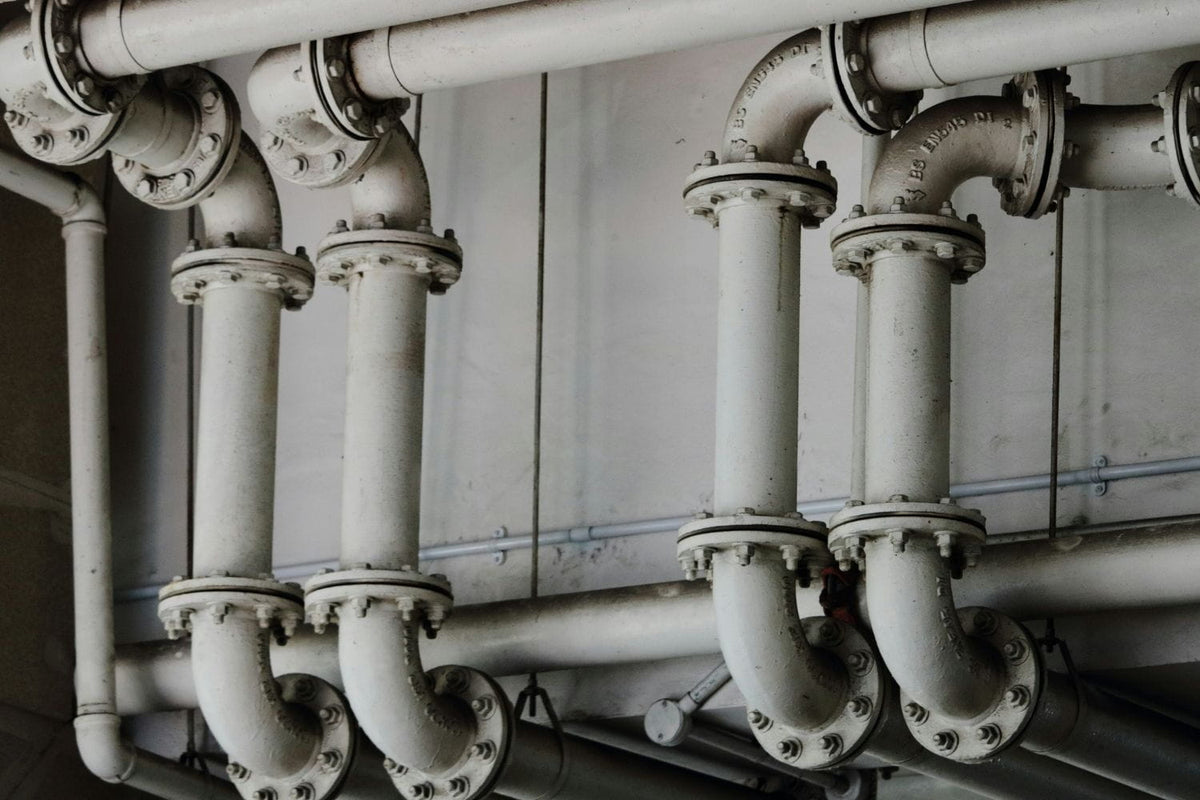
However, municipal water treatment is only half the journey. Before that water reaches your kitchen sink, it must travel through miles of main distribution lines and tens of feet of interior household plumbing. If your home or neighborhood was built several decades ago, those underground and in-wall pipes could be quietly altering the purity, taste, and safety of your family’s daily drinking water.
Understanding how aging pipes affect water quality and knowing what steps you can take to mitigate the risks is essential for any homeowner looking to secure clean, healthy water.
What Happens Inside Aging Pipes?
Water is often called the universal solvent because, over time, it dissolves almost everything it touches. As water flows through metal and concrete distribution networks, it exerts physical pressure and chemical interactions on the inner surfaces of those pipes.
In newer plumbing infrastructure, modern materials like PEX or high-grade copper provide smooth, non-reactive pathways. In older infrastructure, however, water interacts with aging materials that degrade over time:
-
Lead Service Lines and Solder: Homes constructed prior to the late 1980s frequently contain lead service lines, lead-based solder on copper pipes, or brass fixtures containing trace amounts of lead. As these materials corrode, microscopic particles of lead leach directly into the water stream.
-
Galvanized Steel and Iron Rust: Older steel or iron pipes gradually corrode from the inside out. This leads to iron oxide build-up (rust flakes), which creates uneven surfaces inside the pipe where sediment collects.
-
Copper Degradation: While copper is widely considered a reliable piping material, acidic or low-pH water causes copper pipes to pit and leach copper ions, creating blue-green stains on sink basins and imparting a harsh metallic flavor.
-
Biofilm Accumulation: Over years of continuous use, the interior walls of old pipes develop micro-layers of organic matter known as biofilms. These biological films can harbor harmless water microbes, but they can also create off-putting odors and earthy tastes.
What Authoritative Data Tells Us About Pipe Degradation
The issue of aging water infrastructure is not isolated to a few rural towns; it is a widespread structural reality across suburban and urban communities alike.
According to the U.S. Environmental Protection Agency (EPA), there are still an estimated 4 million lead service lines operating across the United States. The EPA explicitly notes that drinking water is responsible for 20% or more of a person’s total exposure to lead, with infants consuming mixed formula deriving up to 40% to 60% of their lead exposure from tap water.
Furthermore, studies highlight that pipe corrosion is the leading cause of secondary water contamination. Secondary contamination refers to pollutants introduced after water leaves the municipal treatment facility. Even if a local treatment plant releases water with zero detectable lead or heavy sediment, pipe degradation along the distribution path can introduce heavy metals, rust particles, and micro-particulates right at the point of use.
Signs Your Home’s Plumbing May Be Affecting Your Tap Water
While some contaminants like lead are completely odorless and invisible, pipe corrosion frequently manifests through subtle warning signs in your home:
-
Metallic or Earthy Taste: If your tap water leaves a sharp, copper-like metallic aftertaste or smells damp and earthy, your internal pipes or municipal service lines may be leaching dissolved metals or supporting biological buildup.
-
Discoloration and Turbidity: Water that appears yellowish, reddish-brown, or slightly cloudy when you first turn on the tap in the morning often indicates standing water reacting with iron or steel pipes overnight.
-
Pinhole Leaks and Low Water Pressure: Mineral scale buildup (tuberculation) inside old galvanized pipes restricts water volume, reducing flow rates at your kitchen tap while increasing internal pressure that causes micro-leaks.
-
Fixture Staining: Persistent blue-green stains under faucets point to copper corrosion, while brown or orange rings on ceramic sinks indicate elevated iron content.
Why Standard Water Pitchers Aren't Enough
When homeowners notice issues with tap water quality, the first reaction is often to buy a basic gravity-fed pitcher filter or an attachable faucet head. While carbon-based pitcher filters are excellent at reducing chlorine smell and basic aesthetic taste issues, they fall short when dealing with the fine particulate matter and dissolved heavy metals associated with pipe breakdown.
Most simple pour-through pitcher filters utilize basic granular activated carbon (GAC). These filters feature relatively large pore sizes designed primarily to target chlorine disinfectant tastes. However, dissolved lead ions, microscopic rust particles, fluoride, heavy metals, and Total Dissolved Solids (TDS) pass easily through standard carbon pitchers.
To effectively block physical particulates, dissolved metals, and microscopic pipe rust, a multi-stage physical barrier with fine micron ratings is necessary.
The Technology Solution: Reverse Osmosis (RO) Filtration
To counteract the effects of aging infrastructure, environmental health specialists consistently recommend Reverse Osmosis (RO) filtration systems.
Reverse osmosis works by forcing incoming tap water through a semi-permeable membrane under pressure. This membrane features pore sizes down to 0.0001 microns—small enough to separate pure water molecules from dissolved mineral ions, heavy metals, micro-plastics, and structural rust particles.
A high-performance reverse osmosis setup works in sequential stages:
-
Sediment Pre-Filter: Traps visible rust flakes, pipe scale, silt, and sand particles before they reach sensitive components.
-
Carbon Block Pre-Filter: Absorbs chlorine, chloramines, VOCs, and chemical residues that cause bad odors.
-
RO Membrane: The heart of the system, removing up to 99% of dissolved contaminants, including lead, arsenic, nitrates, and heavy metals.
-
Post-Carbon / Polishing Stage: Refines the final taste, delivering crisp, refreshing drinking water straight to a dedicated tap.
Elevating Home Water Pureness with Filter United
If you are looking to upgrade your home's water quality and eliminate worries about aging pipes, Filter United offers targeted, reliable solutions designed for modern household needs.
Our flagship VIVA21 product series provides comprehensive, heavy-duty filtration engineered specifically to restore confidence in municipal tap water:
-
VIVA21 5-Stage WQA-Certified Reverse Osmosis System: Built for maximum efficiency and rigorous contaminant removal, this 5-stage setup is independently WQA-certified to deliver purified water free from heavy metals, rust, dissolved solids, and chemical residues.
-
VIVA21 6-Stage Remineralization Reverse Osmosis System: For those who prefer a natural, balanced taste profile, our 6-stage model pairs ultra-pure RO filtration with an active alkaline remineralization stage. This adds essential minerals like calcium and magnesium back into the water, elevating pH balance and producing a smooth, crisp taste.
-
Complete Filter Sets & Pre-Filter Sets: Regular maintenance is key to keeping your filtration peak-performing. Filter United offers all-in-one replacement bundles designed for seamless swaps, protecting your RO membrane from high sediment loads and pipe rust.
-
Replacement Filters & Accessories: From quick-connect fittings and high-grade tubing to specialized individual replacement filters, our accessory lineup makes maintaining your under-sink system straightforward and hassle-free.
Taking Control of Your Drinking Water Quality
You may not be able to replace the aging main water pipelines beneath your city's streets or undertake a multi-thousand-dollar replacement of your home’s internal plumbing today. However, you can control the quality of the water that ultimately fills your family's glasses, coffee pots, and cooking pans.
Investing in a multi-stage under-sink reverse osmosis system bridges the gap between aging infrastructure and modern health standards. By filtering out heavy metals, sediments, and impurities right at the point of use, you can enjoy clean, fresh, and worry-free drinking water every day.


