

Do you really need a home water filter, or is it just another appliance trend taking up space under your kitchen sink?
The truth is, tap water quality varies drastically depending on where you live, the age of your home’s plumbing, and your local municipal water source. While municipal treatment plants do a solid job meeting baseline safety standards, "safe to drink" doesn't always mean optimal for your long-term health or everyday enjoyment.
If you’re on the fence about upgrading your drinking water, here are 7 crucial questions to ask about your home’s water quality, along with the facts you need to make an informed choice.
1. What Does Your Water Actually Smell or Taste Like?
Our senses are often the first line of defense. If your tap water has a distinct odor or flavor, your palate is trying to tell you something:
-
A "pool-like" chlorine smell: Municipalities often use chlorine or chloramines to disinfect water as it travels through miles of pipes. While essential for treatment, it leaves behind an unpleasant chemical taste.
-
A metallic taste: This often indicates the presence of trace metals like iron, manganese, or zinc, frequently dissolved from older plumbing pipes.
-
A rotten egg odor: Usually caused by hydrogen sulfide gas, which can naturally occur in groundwater or form inside your water heater.
The Takeaway: If drinking water feels like a chore because of its taste or smell, a filtration system is the most direct fix to restore crisp, neutral hydration.
2. How Old Are the Pipes Under Your Home (and City)?
Even if your local water treatment plant outputs pristine water, it has to travel through a vast, aging infrastructure before reaching your glass.
According to reports by the Environmental Protection Agency (EPA) and the American Society of Civil Engineers (ASCE), millions of service lines delivering water across North America are decades old. Older infrastructure often relies on lead pipes, cast iron, or unlined materials.
As water travels through degrading main lines and your house’s internal plumbing, it can pick up rust, micro-sediments, and trace heavy metals. A point-of-use (POU) filter acts as a final safety barrier right at the tap.
3. Have You Checked Your Local Annual Water Quality Report?
If you rely on city water, you don't have to guess what’s in it. Every year, public water suppliers are legally required to provide a Consumer Confidence Report (CCR).
When you look at your CCR, pay attention to two things:
-
Contaminants monitored by the EPA: Things like nitrate, arsenic, copper, and disinfection byproducts.
-
Unregulated contaminants: Emerging chemical compounds that aren't yet restricted by federal law, but are monitored for health impacts.
If you're on a private well, remember that private water sources aren't covered by municipal testing, meaning home testing and active filtration are entirely up to you.
4. Are You Worried About "Forever Chemicals" and Emerging Contaminants?
In recent years, public health conversations have shifted toward micro-contaminants that standard city filtration isn't always designed to catch.
-
PFAS (Per- and polyfluoroalkyl substances): Often called "forever chemicals", these synthetic compounds break down extremely slowly in the environment and human body.
-
Microplastics: Tiny plastic particles shed from industrial runoff and synthetic material breakdown are increasingly being detected in global freshwater systems.
-
Pharmaceutical Residues: Trace amounts of medications often enter municipal water systems through wastewater, passing through standard treatment facilities in microscopic doses.
While these contaminants exist in minuscule concentrations, many homeowners prefer a proactive approach to long-term exposure.
5. Do You Have Hard Water Issues at Home?
Hard water—water containing high levels of dissolved minerals like calcium and magnesium—isn't necessarily harmful to drink, but it can wreak havoc on your home.
Common signs of hard water include:
-
White, chalky limescale buildup on faucets, tea kettles, and showerheads.
-
Cloudy glassware straight out of the dishwasher.
-
Dry skin and brittle hair after washing.
Using targeted pre-filters or filtration systems can help reduce scale buildup, extending the lifespan of your kitchen appliances and boiling kettles.
6. How Much Are You Spending on Bottled Water (and Single-Use Plastic)?
If you don't like your tap water, chances are you’re buying bottled water. But this solution comes with a hidden cost—both financial and environmental.
|
Feature |
Single-Use Bottled Water |
Under-Sink Home Filtration |
|
Cost Per Gallon |
$1.50 – $3.00+ |
Pennies per gallon |
|
Convenience |
Hauling heavy cases from the store |
On-demand straight from your faucet |
|
Plastic Footprint |
Hundreds of single-use bottles per year |
Zero plastic bottle waste |
Investing in a high-efficiency home filtration system typically pays for itself within months compared to relying on store-bought bottled water.
7. Which Filtration Technology Fits Your Household Needs?
If you’ve decided a filter makes sense for your home, the next step is choosing the right technology. Not all filters are created equal:
-
Basic Carbon Pitchers: Great for reducing chlorine taste and odor, but limited in their ability to remove heavy metals, dissolved solids, or microscopic pollutants.
-
Reverse Osmosis (RO) Systems: Considered the gold standard in residential water treatment. RO systems use a semi-permeable membrane to remove up to 99% of total dissolved solids (TDS), heavy metals, microplastics, and sub-micron contaminants.
-
Remineralization Systems: Because pure RO water removes minerals along with contaminants, advanced RO systems add a balanced stage of essential minerals (like calcium and magnesium) back into the purified water for optimal taste and pH balance.
Upgrade Your Daily Hydration with Filter United
Finding the right balance between purity, mineral balance, and long-term reliability is where we come in. At Filter United, we design performance-engineered filtration solutions focused on total clarity and ease of use.
Our VIVA21 Series offers scalable solutions designed to match your specific home water needs:
-
VIVA21 5-Stage WQA-Certified Reverse Osmosis System: Engineered for high-efficiency filtration, this system passes stringent Water Quality Association (WQA) testing standards to drastically reduce heavy metals, dissolved solids, chlorine, and emerging micro-contaminants.
-
VIVA21 6-Stage Remineralization Reverse Osmosis System: Enjoy ultra-pure water with a smooth, naturally refreshing taste. This system filters out undesirable contaminants, then enriches your water with beneficial trace minerals to elevate its natural flavor and pH profile.
-
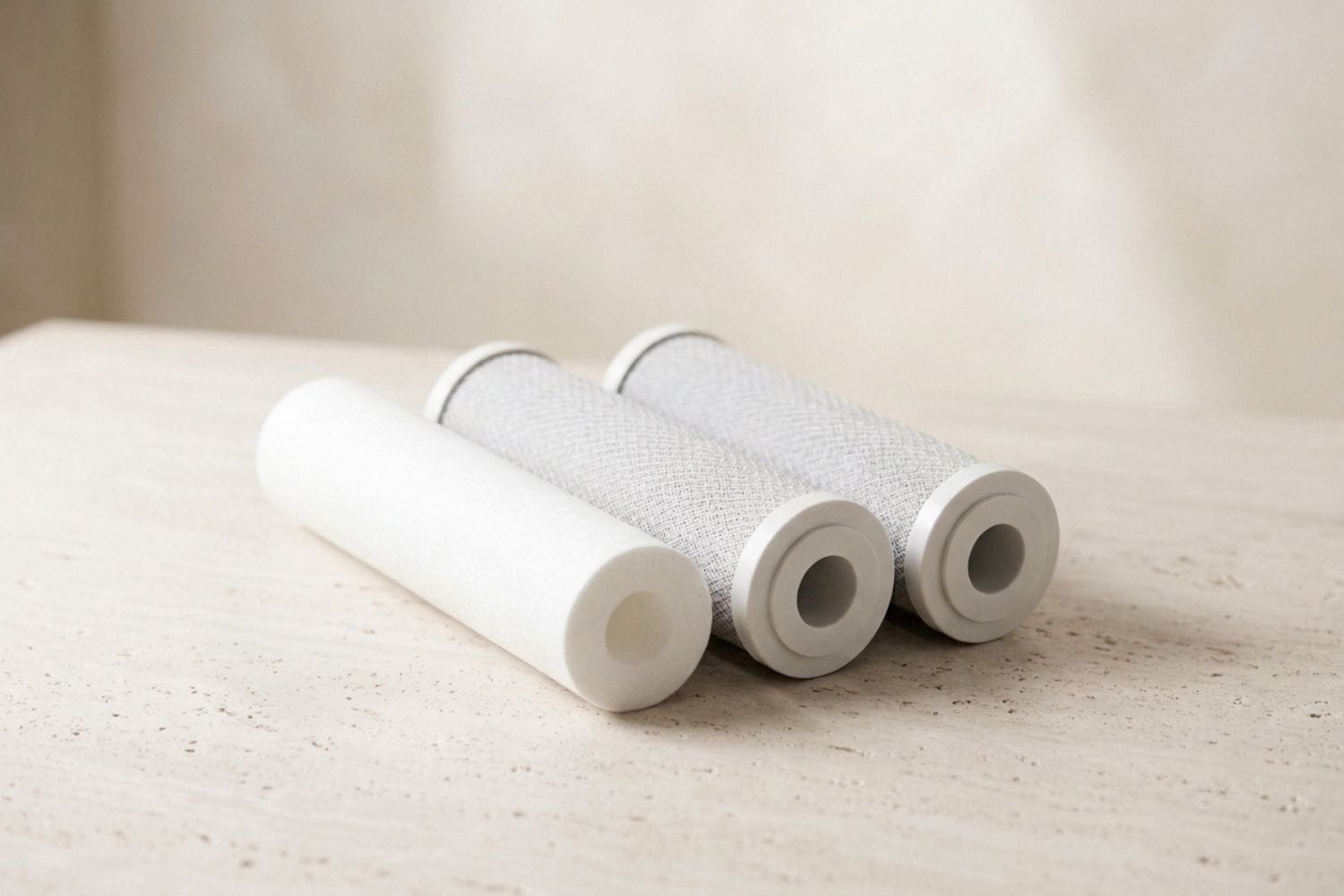
Maintenance Made Simple: Keep your system operating at peak performance with our official Complete Filter Sets, targeted Pre-Filter Sets, and genuine replacement cartridges and accessories designed for hassle-free swap-outs.
Final Thoughts: The Decision Comes Down to Peace of Mind
Do you need a water filter? If your goal is simply hydration, tap water gets the job done in many places. But if you value exceptional taste, want protection against aging infrastructure and emerging contaminants, and want to eliminate plastic waste, a quality under-sink filter is one of the smartest upgrades you can make for your everyday well-being.
Take a closer look at your local water quality, weigh your options, and enjoy the confidence of knowing exactly what’s in every glass you pour.


