

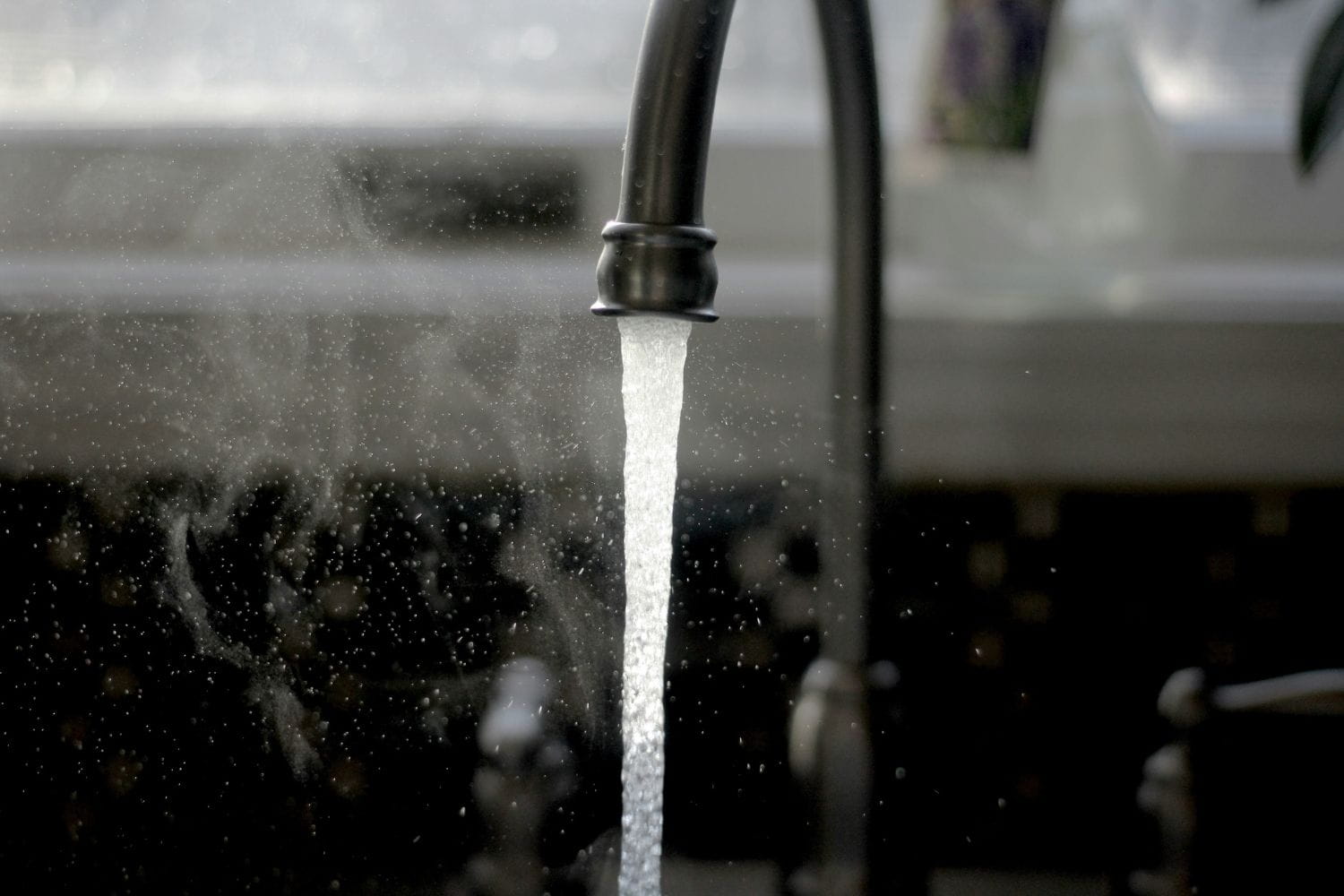
You fill a glass from the kitchen faucet, take a sip, and immediately notice a smell that reminds you of a swimming pool or household bleach. It can be unpleasant, and it may leave you wondering whether something is wrong with your water.
In many cases, the chlorine-like smell comes from the disinfectants used to keep public drinking water safe. Still, the intensity of the odor can change over time, and not every chlorine-related smell has the same cause.
Here’s a closer look at why tap water can smell like chlorine, whether it is safe to drink, and what you can do if you prefer better-tasting, lower-odor water.
Why Is Chlorine Added to Tap Water?
Public water systems disinfect water to control harmful microorganisms. Chlorine has been used for this purpose for more than a century because it can help protect water as it travels through treatment facilities, storage tanks, and distribution pipes before reaching your home.
Some utilities use free chlorine, while others use chloramine, a disinfectant made by combining chlorine and ammonia. Chloramine is more stable and can maintain a disinfectant residual over longer distances.
The U.S. Environmental Protection Agency (EPA) sets a maximum residual disinfectant level of 4.0 mg/L (4 ppm) for both chlorine and chloramine in public drinking water. You can learn more about these standards from the EPA's drinking water disinfectant regulations.
In other words, that chlorine smell is often connected to the process designed to protect drinking water from microbial contamination, not necessarily a sign that your water is unsafe.
Why Does the Chlorine Smell Sometimes Seem Stronger?
Even if your water utility normally uses the same treatment process, the smell at your faucet can vary. A few factors may be responsible.
Changes in disinfectant levels or water treatment
Utilities may adjust treatment practices in response to seasonal changes in source water quality, weather, or other operating conditions. These adjustments can sometimes make disinfectant taste or odor more noticeable.
Temporary system maintenance
Some water systems periodically change their disinfection practices, such as temporarily switching from chloramine to free chlorine to help manage the distribution system. Depending on your local utility's procedures, you may notice a stronger chlorine smell during these periods.
If the odor suddenly becomes much stronger than usual, checking your local water provider's notices is a good first step.
Warm water can release more odor
Chlorine-related compounds are volatile, meaning they can become more noticeable when water is warm. That's why the smell may seem stronger in a hot shower or when filling a glass with warm tap water.
Water has been sitting in your home's plumbing
Water that has been sitting in pipes for several hours may develop a more noticeable taste or odor. Running the cold tap briefly can sometimes improve the smell, especially first thing in the morning.
Is It Safe to Drink Water That Smells Like Chlorine?
Generally, a chlorine smell by itself does not mean your tap water is unsafe. Public water systems are required to monitor disinfectant levels and comply with applicable drinking water standards.
However, a strong or sudden change in odor is still worth paying attention to. If the smell is unusual, persistent, or accompanied by discoloration, cloudiness, or other changes, contact your water utility to ask whether there are maintenance activities or water-quality issues in your area.
It's also important to distinguish chlorine from other odors. A rotten-egg smell, for example, may be associated with hydrogen sulfide or plumbing-related issues rather than chlorine.
What about disinfection byproducts?
When disinfectants react with naturally occurring organic matter in source water, they can form disinfection byproducts (DBPs), including certain trihalomethanes and haloacetic acids. The EPA regulates several DBPs in public drinking water because long-term exposure above regulatory limits may increase health concerns.
For households that want to know more about their local water quality, the annual Consumer Confidence Report from their water supplier is a useful resource. The EPA's Consumer Confidence Report guide explains how to find and understand these reports.
How to Remove Chlorine Smell from Tap Water
The best solution depends partly on whether your utility uses free chlorine or chloramine.
1. Let the water sit
For water treated with free chlorine, leaving a pitcher uncovered for several hours can allow some chlorine to dissipate. Refrigerating the water afterward may also improve its taste.
This method is generally much less effective for chloramine.
2. Boil the water
Heating can speed up the removal of some free chlorine, but boiling water regularly for all of your drinking needs is not especially convenient or energy-efficient.
As with standing water, this is not a reliable solution for chloramine.
3. Use activated carbon filtration
Activated carbon is widely used to improve chlorine taste and odor. Pitcher filters, faucet filters, and under-sink systems may all use activated carbon, although performance depends on the filter design, contact time, and the specific contaminant.
If your water utility uses chloramine, check the manufacturer's performance claims carefully. Not every carbon filter is designed to reduce it effectively.
4. Consider a reverse osmosis system
For households looking for a more comprehensive point-of-use filtration solution, an under-sink reverse osmosis (RO) system may be worth considering.
A typical RO system uses multiple stages, often including sediment filtration, activated carbon prefiltration, and an RO membrane. The carbon stages help protect the membrane from chlorine, while the membrane can reduce many dissolved substances. Actual performance depends on the specific system and its tested or certified claims.
A Practical Option for Filtered Drinking Water
If your main concern is chlorine taste and odor, you may only need a well-designed carbon filter. But if you also want to reduce a broader range of contaminants, an RO system can offer a more comprehensive approach.
At Filter United, our RO systems are designed to provide multi-stage filtration directly at the kitchen sink, helping reduce chlorine taste and odor along with a range of dissolved impurities. VIVA21 5-Stage RO System is designed for households looking for a multi-stage reverse osmosis setup with dedicated prefiltration and membrane-based filtration. VIVA21 6-Stage RO System adds an additional post-filtration stage for users who prefer a different finished-water profile.
With regular filter replacement and proper maintenance, an RO system can provide a consistent source of filtered water right where you use it most.
Final Thoughts
A chlorine-like smell in tap water is often a normal result of municipal disinfection. It may become more noticeable because of warm water, temporary changes in treatment, or local maintenance activities.
If the smell is mild and your water utility reports that the system is operating normally, it may simply be a taste-and-odor issue. For free chlorine, letting water sit or using an appropriate carbon filter may help. If you want a more comprehensive drinking water filtration solution, an RO system may be another option to consider.
Most importantly, if your water suddenly smells very different or shows other unusual changes, check with your local water provider before assuming the issue is chlorine alone.


