

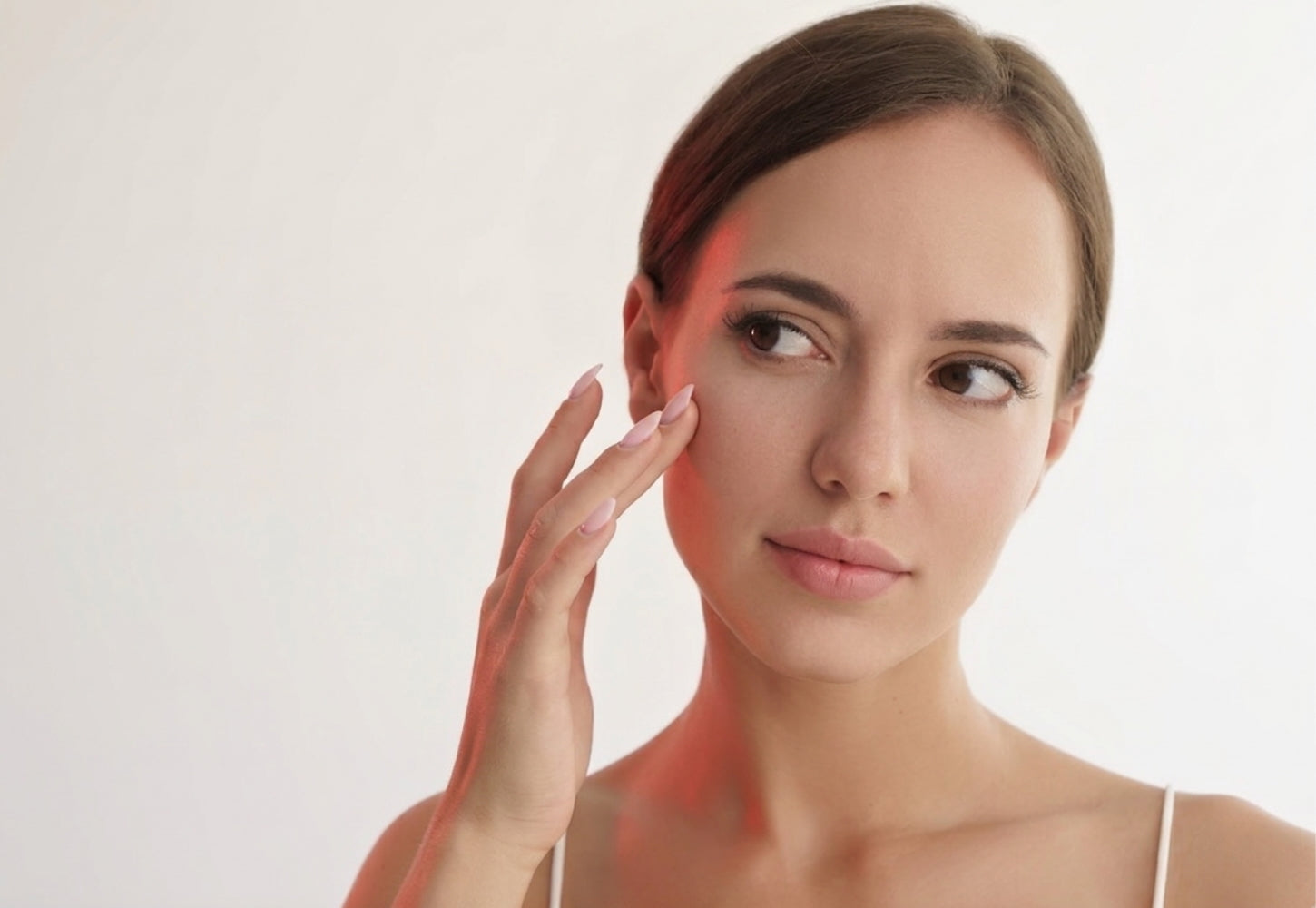
If you struggle with chronic dry skin or eczema, you’ve likely tried everything: high-end dermatological creams, oatmeal baths, fragrance-free detergents, and perhaps even dietary changes. Yet, for many, the irritation persists. The culprit might not be what you are putting on your skin, but what you are washing it with.
Hard water is more than just a plumbing nuisance, it is a significant environmental trigger for skin barrier disruption. In this article, we will explore the mechanical and chemical relationship between water quality and skin health, and the effective technology for restoring your skin’s natural balance.
1. The Science of "Soap Scum" and Skin Barrier Disruption
To understand why your skin feels tight after a shower, we have to look at the mineral content of your water. "Hard water" is defined by high concentrations of dissolved calcium and magnesium. While these minerals are generally safe to drink, they react poorly with cleaning agents.
According to the U.S. Geological Survey (USGS), water hardness is prevalent in most American homes. When calcium and magnesium encounter soap, they create an insoluble precipitate commonly known as "soap scum". On your shower tile, this looks like a white film; on your skin, it acts as a microscopic barrier that clogs pores and traps bacteria.
For someone with healthy skin, this might result in minor dryness. However, for those with eczema, the consequences are more severe. A compromised skin barrier is highly sensitive to external irritants. Soap scum prevents the skin’s natural oils (sebum) from reaching the surface, leading to a cycle of inflammation, itching, and "flare-ups" that topical moisturizers struggle to penetrate.
2. Abrasive Minerals: The Hidden Irritants in Your Tap
Beyond the creation of soap scum, the minerals in hard water are physically abrasive. On a microscopic level, these dissolved solids function like fine sandpaper. Every time you wash your face or hands, these mineral particles can cause micro-tears in the skin's surface, further weakening an already sensitive skin barrier.
When these minerals dry on the skin, they don't just disappear. They crystallize within the pores and on the surface. For a dry skin sufferer, this means that even after you've patted your skin dry, the "hardness" is still there, drawing moisture out of your cells through osmosis. This is why many people feel the need to apply lotion immediately after washing—their water has essentially "dehydrated" their skin during the cleaning process. By using a filtration system that removes these solids entirely, you allow your skin to retain its own natural moisture.
3. Beyond Hardness: The Role of Residual Chlorine
It isn't just the minerals that cause trouble, it’s the disinfectants added by municipal water treatment plants. Chlorine is highly effective at killing pathogens in the city's pipe network, but it is a known desiccant, meaning it strips moisture from surfaces.
For a person with dry skin, chlorine acts as a mild chemical irritant. It oxidizes the lipids in your skin, making it feel "squeaky clean", which is actually a sign of over-stripped skin. When you combine the abrasive nature of hard water minerals with the drying effect of chlorine, you have a recipe for chronic irritation.
4. The Solution: A Two-Tiered Approach to Water Management
To combat these irritants effectively, you need a strategy that addresses both the physical hardness and the chemical purity of your water. This is best achieved through a combination of Point-of-Entry (POE) and Point-of-Use (POU) technologies.
The First Line of Defense: Whole-House Water Softening
The most effective way to eliminate hard water minerals is at the source. A Water Softener uses ion exchange to exchange these minerals before they ever reach your showerhead or laundry machine.
-
Eliminate Soap Scum: By softening the water, you allow soaps and cleansers to lather and rinse away perfectly, leaving no residue on your skin.
-
Protect the Body: Softened water ensures that every shower or bath is gentle on your skin barrier, reducing the "sandpaper effect" and mechanical irritation across your entire body.
The Finishing Touch: Reverse Osmosis (RO) Purification
While a softener handles hardness, an RO system provides the ultra-pure water needed for targeted, high-sensitivity care. Installed at your bathroom or kitchen sink, Reverse Osmosis acts as a "precision filter". It forces water through a semi-permeable membrane with pores as small as 0.0001 microns, which is small enough to reject up to 99% of remaining dissolved solids, heavy metals, and residual chlorine.
Using this purified water for your morning and evening face-washing routine ensures that your most delicate skin areas are treated with "blank slate" water, free from any chemical load.
5. Efficiency and Savings: Your Skincare Products Will Work Better
One of the most immediate benefits of managing your water quality is the "lather effect". In hard water, you have to use significantly more product to achieve a lather because the minerals "deactivate" the surfactants.
When you transition to a managed water system:
-
Product Efficacy Increases: Without mineral interference, your cleansers work more efficiently. You can use less product to achieve a better result.
-
Better Absorption: Without a layer of mineral scum or chlorine-stripped lipids, your expensive dermatological serums and moisturizers can actually reach the epidermis and do their job.
-
Lower Chemical Exposure: Because you are using less soap, your skin is exposed to fewer synthetic fragrances and surfactants, which are common triggers for eczema flare-ups.
Summary
Eczema and chronic dry skin are complex conditions with many variables. However, the quality of your water is one of the few variables you can completely control. By integrating a Water Softener to eliminate hardness and an RO system to ensure total purity, you provide your skin with a foundation for healing.
Your skin is your body’s largest organ. It deserves to be treated with water that is as pure and gentle as the products used to protect it. Understanding this relationship between water quality and dermatological health is a vital step toward long-term skin comfort and relief.


