

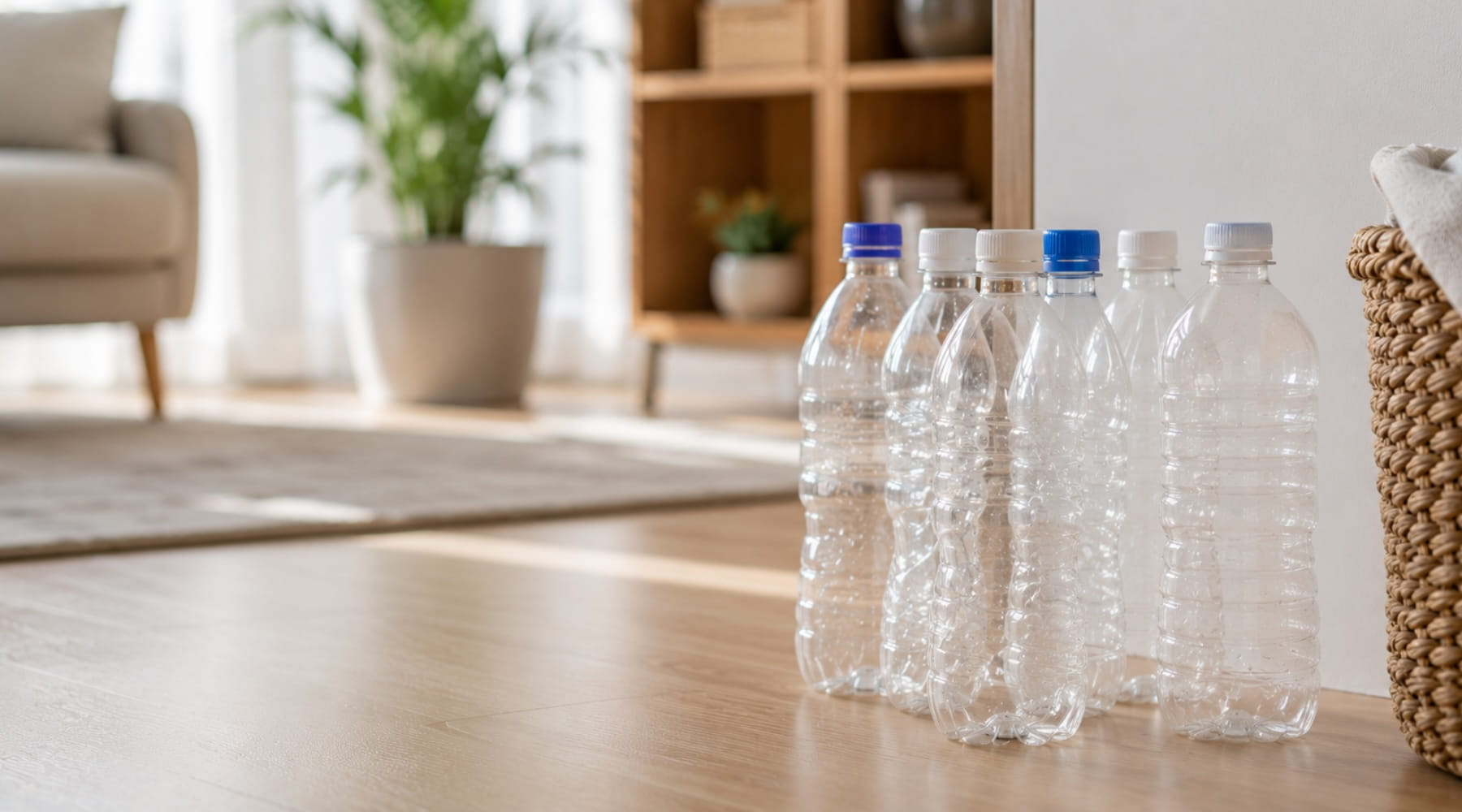
Discover how installing a home reverse osmosis system can reduce plastic waste, lower household expenses, and provide clean drinking water without relying on bottled water.
Millions of plastic water bottles are purchased every day, and even with recycling programs in place, a large percentage still end up in landfills or the environment. As more homeowners look for sustainable and cost-effective solutions, a home reverse osmosis system (RO system) has become one of the most practical alternatives to bottled water.
Beyond delivering cleaner drinking water, a modern under sink reverse osmosis water filter can help reduce plastic consumption, minimize household waste, and lower long-term costs. Here's how.
The Hidden Waste Behind Bottled Water
Bottled water is often marketed as a convenient and healthy option. However, convenience comes with environmental costs.
A typical household that regularly purchases bottled water may consume hundreds or even thousands of plastic bottles each year. Manufacturing, transporting, packaging, and disposing of these bottles requires substantial resources and generates unnecessary waste.
In addition, bottled water is often significantly more expensive than filtered tap water. Industry analyses estimate that bottled water can cost dozens or even hundreds of times more per gallon than municipal tap water, making it one of the most expensive ways to stay hydrated.
For environmentally conscious consumers, reducing dependence on bottled water is one of the simplest ways to lower their household's environmental footprint.
Why More Homeowners Are Choosing Reverse Osmosis Systems
A reverse osmosis water filtration system uses a semi-permeable membrane to remove dissolved contaminants from water. Modern RO systems can reduce a wide range of impurities, including:
-
Lead
-
PFAS ("forever chemicals")
-
Chlorine
-
Arsenic
-
Nitrates
-
Microplastics
-
Certain bacteria and viruses
This advanced filtration process has made RO technology one of the most trusted solutions for homeowners seeking clean drinking water at home. (US EPA)
Unlike bottled water, which requires continuous purchasing and disposal, an RO system produces purified water directly from your tap whenever you need it.
How an RO System Reduces Household Waste
1. Eliminates Single-Use Plastic Bottles
The most immediate benefit is a dramatic reduction in plastic waste.
When families switch from bottled water to a home water filtration system, they often eliminate hundreds or even thousands of plastic bottles annually. This not only reduces landfill waste but also decreases demand for plastic production and transportation.
2. Reduces Packaging Waste
Plastic bottles are only part of the equation.
Cases of bottled water require:
-
Plastic wrapping
-
Cardboard packaging
-
Labels
-
Shipping materials
By producing filtered water at home, households reduce the amount of packaging entering their waste stream.
3. Encourages Reusable Bottles and Containers
Many families who install a reverse osmosis drinking water system begin using reusable stainless steel or glass water bottles.
Instead of constantly purchasing disposable products, they refill containers directly from their RO faucet. Over time, this simple habit can significantly reduce household waste generation.
The Cost-Saving Advantage
While environmental benefits are important, many homeowners are initially motivated by economics.
Consider the costs associated with bottled water:
-
Weekly purchases
-
Transportation costs
-
Storage space
-
Ongoing price increases
A quality under sink RO system requires an upfront investment, but after installation, the ongoing costs are generally limited to periodic filter replacements.
Research comparing bottled water and reverse osmosis systems consistently shows that filtered water from an RO system costs only a fraction of bottled water over the long term. For many households, the system pays for itself through reduced bottled water purchases alone.
What About Water Waste in Reverse Osmosis Systems?
One common question about RO technology concerns wastewater.
Traditional reverse osmosis systems create a concentrate stream that carries rejected contaminants away from the membrane. Older systems may send several gallons of water to the drain for every gallon of purified water produced.
This is a valid consideration and one that responsible manufacturers should address openly.
The good news is that RO technology has improved significantly in recent years.
Modern high-efficiency and tankless RO systems often achieve much better water recovery rates than older models. The U.S. Environmental Protection Agency's WaterSense program has also introduced standards designed to encourage more water-efficient reverse osmosis systems.
When evaluating a system, homeowners should look for:
-
High pure-to-drain ratios
-
Water-efficient designs
-
Quality membranes
-
Independent certifications
Choosing an efficient RO system can help balance water conservation with superior filtration performance.
Clean Water Without the Bottled Water Hassle
Beyond waste reduction, convenience is another reason homeowners make the switch.
With a home RO system, there is no need to:
-
Carry heavy cases of water
-
Store bottles in garages or pantries
-
Remember weekly purchases
-
Dispose of empty containers
Filtered water is available on demand directly from the kitchen sink.
Many homeowners also report improved taste, making it easier to stay hydrated and reducing the temptation to purchase bottled alternatives. Consumer reviews frequently cite taste improvement and convenience as primary reasons for long-term satisfaction with reverse osmosis systems.
A Smarter Long-Term Investment for Sustainable Living
Sustainability is rarely achieved through one major change. Instead, it comes from a series of practical decisions that collectively reduce waste and resource consumption.
Installing a home reverse osmosis water filtration system is one of those decisions.
It helps homeowners:
✓ Reduce plastic bottle consumption
✓ Minimize household waste
✓ Lower long-term drinking water costs
✓ Enjoy cleaner, better-tasting water
✓ Decrease dependence on bottled water
✓ Support a more sustainable lifestyle
While no water treatment technology is perfect, modern RO systems offer a compelling combination of performance, convenience, and environmental benefits when selected and maintained properly.
Final Thoughts
If your household relies heavily on bottled water, switching to a home reverse osmosis system can be one of the most impactful upgrades you make.
Not only can it provide reliable access to clean drinking water, but it can also help reduce plastic waste, cut recurring expenses, and simplify everyday life.
For homeowners looking for a practical bottled water alternative, an efficient under sink reverse osmosis system offers a solution that benefits both the household and the environment.


