

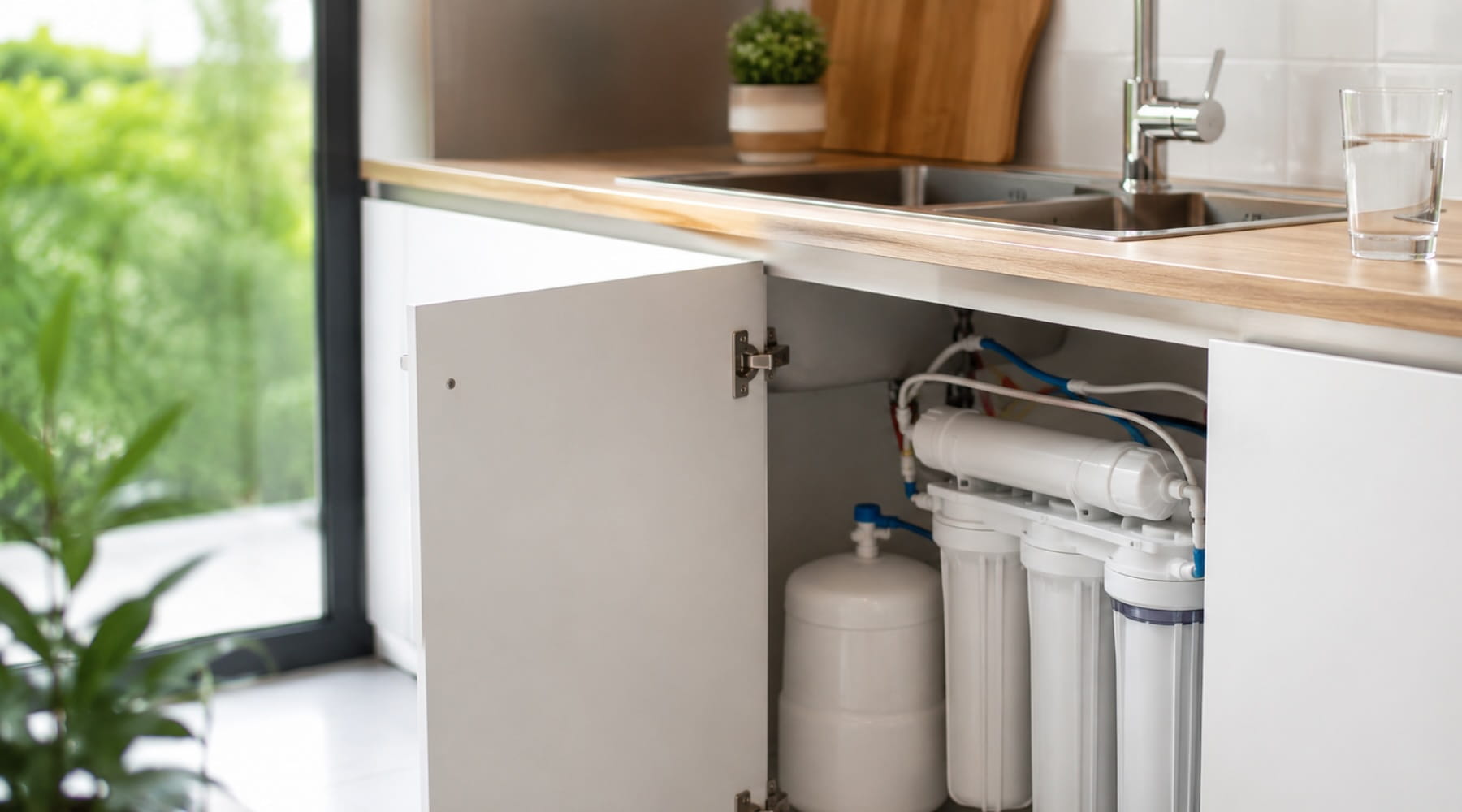
Your Complete Guide to Getting the Most Out of Your New RO Water Filter System
Installing a new reverse osmosis (RO) system is an exciting step toward cleaner, better-tasting drinking water at home. Whether you've recently upgraded from a standard water filter or decided to replace bottled water altogether, your first day with an RO water filtration system may come with a few surprises.
You may expect crystal-clear water immediately after installation. In reality, a new RO system goes through a short startup process before reaching peak performance. Understanding what happens during those first 24 hours can help you get the best results while avoiding unnecessary concerns.
In this guide, we'll walk through exactly what to expect on day one, from the initial system flush to your first glass of purified water.
Why New RO Systems Need a Startup Period
A reverse osmosis system is designed to remove a wide range of contaminants through multiple filtration stages, including sediment filters, activated carbon filters, and the RO membrane itself.
Because these components are brand new, manufacturers typically recommend flushing the system before regular use. During the first few tank cycles, residual carbon particles, trapped air, and membrane preservatives may be rinsed out. This is a normal part of the commissioning process and does not indicate a problem with your system.
Think of it like breaking in a new coffee machine or running water through a newly installed faucet—the system simply needs time to stabilize.
1. The First Tank of Water Should Be Discarded
One of the most important things to know is that your first full tank of RO water is usually not intended for drinking.
After installation, the storage tank begins filling with filtered water. Once the tank is full, we recommend completely draining it and allowing the system to refill. Some systems may benefit from two or even three fill-and-drain cycles to fully flush the membrane and filters.
What You Should Do
-
Wait for the tank to fill completely.
-
Open the dedicated RO faucet.
-
Drain all water from the tank.
-
Allow the system to refill.
-
Repeat if recommended by the product manual.
This simple step helps ensure optimal water quality from the very beginning.
2. Cloudy Water Is Usually Normal
Many first-time RO owners become concerned when they see cloudy or milky-looking water.
Fortunately, this is often harmless. In most cases, the cloudiness comes from tiny air bubbles introduced during installation and startup. These bubbles naturally dissipate after a few minutes if you let the water sit in a glass.
Quick Test
Fill a clear glass with RO water and leave it on the counter for 1–2 minutes. If the cloudiness clears from the bottom upward, you're simply seeing trapped air, not contamination.
3. The Water May Taste Different Than Expected
One of the biggest reasons homeowners invest in a reverse osmosis water filter is improved taste. However, your first sip may not taste exactly as expected.
RO systems remove many dissolved substances that contribute to water flavor. If you've spent years drinking municipal tap water or bottled water with added minerals, purified RO water can initially seem different. Some users describe it as:
-
Cleaner
-
Lighter
-
Crisper
-
More neutral
Your taste preferences usually adjust within a few days. Additionally, any slight manufacturing taste from new filters should disappear after the recommended flushing cycles.
4. Water Production May Seem Slow at First
Unlike a standard faucet filter, a reverse osmosis system produces water gradually.
The RO membrane carefully filters water molecule by molecule, which means production is intentionally slower than normal tap water.
During the first day, you may notice:
-
Slower faucet flow
-
Longer tank refill times
-
Reduced water availability after draining the initial tank
This is completely normal. Once the storage tank has completed its startup cycles, your household will have a consistent supply of filtered drinking water available whenever needed.
5. You May Hear New Sounds Under the Sink
If your RO system is installed beneath the sink, don't be surprised if you hear occasional sounds during operation.
Common startup noises include:
-
Water trickling through the drain line
-
Soft humming from booster pumps (if equipped)
-
Gurgling sounds as air exits the system
-
Brief pressure changes while the tank fills
These sounds are generally part of normal operation and often become less noticeable after the system settles in.
6. Expect Better-Tasting Coffee, Tea, and Ice
Many homeowners notice improvements beyond drinking water alone. Once your RO system is operating normally, you may experience:
Better Coffee
Purified water allows coffee flavors to stand out without interference from chlorine or other unwanted tastes.
Cleaner Tea
Tea often appears brighter and smoother when brewed with filtered water.
Clearer Ice Cubes
Reduced impurities can help produce cleaner-looking ice with fewer odors and off-flavors.
For many families, these everyday improvements become one of the most appreciated benefits of owning a home water filtration system.
7. Start Building Good Maintenance Habits Early
Your first day is also the perfect time to familiarize yourself with maintenance requirements.
A well-maintained reverse osmosis system can provide years of reliable performance. The most common maintenance tasks include:
-
Replacing sediment filters
-
Replacing carbon filters
-
Monitoring membrane life
-
Sanitizing the system as recommended
-
Checking for leaks periodically
Keeping a record of installation dates and future filter replacement schedules can help maximize system efficiency and water quality.
Common Questions New RO Owners Ask
How long does it take for an RO system to start working?
Most systems begin filtering immediately, but a full tank of water may take several hours to produce after installation.
Is cloudy water normal after installation?
Yes. Air bubbles are common during startup and typically disappear quickly.
Why should I discard the first tank?
The first tank helps flush carbon fines, membrane preservatives, and trapped air from the system.
Will my RO water taste different?
Possibly. Many users notice a cleaner, more neutral taste as dissolved contaminants are removed.
Final Thoughts
Your first day with a new reverse osmosis system is less about instant perfection and more about allowing the system to complete its startup process. A few simple steps, such as flushing the initial tank, understanding temporary cloudiness, and allowing the filters to settle, can make a big difference in your overall experience.
Once fully operational, a high-quality RO water filter system can provide cleaner, better-tasting water for drinking, cooking, coffee, tea, and countless daily uses.
For many homeowners, that very first glass of properly filtered water is the moment they realize why reverse osmosis remains one of the most trusted home water filtration technologies available today.


