

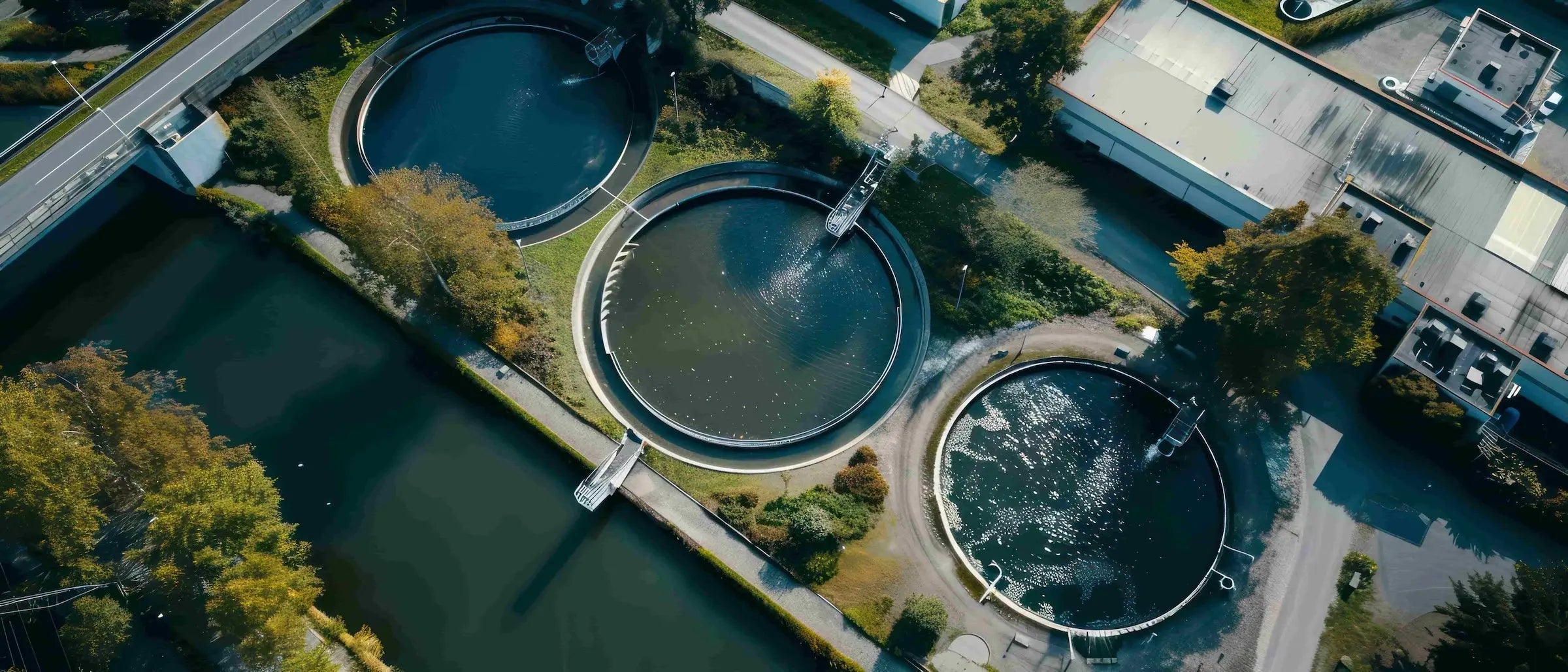
Drinking water is essential for life, yet not all water that comes from the tap is free of contaminants. In the United States, public water systems generally meet federal standards, but drinking water contaminants can still be present at levels that raise concerns for long-term health and specific populations such as children, pregnant women, and people with compromised immune systems. Understanding what these contaminants are, how they affect health, and where they’re most likely to occur can help you make informed decisions about water quality and filtration solutions.
1. What We Mean by Drinking Water Contaminants
In the context of U.S. water supplies, drinking water contaminants include a broad range of substances that may enter water from natural sources, industrial and agricultural activities, plumbing materials, or treatment byproducts. The U.S. Environmental Protection Agency (EPA) regulates about 90 contaminants under the Safe Drinking Water Act, setting enforceable Maximum Contaminant Levels (MCLs) intended to protect public health. However, legal limits may lag behind the latest science on health risks, especially for emerging contaminants.
Contaminants we’ll focus on in this blog include synthetic chemicals, heavy metals, agricultural runoff products, byproducts of water treatment, and naturally occurring elements that can accumulate in water systems. These are among the most commonly detected or most concerning due to their potential impacts on human health.
2. Key Contaminants in U.S. Drinking Water
PFAS: “Forever Chemicals”
Among the most widely discussed drinking water contaminants in recent years are per- and polyfluoroalkyl substances (PFAS). These synthetic chemicals have been used for decades in products like non-stick cookware, water-repellent fabrics, firefighting foams, and industrial applications. PFAS are often referred to as “forever chemicals” because they do not easily break down in the environment or the human body.
Health Effects: PFAS exposure has been linked to immune system effects, hormone disruption, liver and thyroid issues, developmental problems in infants and children, and increased cancer risk. In a landmark move for public health, the EPA officially implemented the first-ever legally enforceable national drinking water standards for PFAS in early 2024. Moving beyond previous non-binding health advisories, the EPA has now set strict Maximum Contaminant Levels (MCLs) for six specific PFAS compounds. For instance, PFOA and PFOS are now limited to just 4.0 parts per trillion (ppt), a level reflecting the latest science that indicates even trace amounts may pose health concerns.
Regional Considerations: Contamination tends to be more common near industrial facilities, military installations, and firefighting training sites, but PFAS have now been detected in water supplies across many states, including in both public systems and private wells.
-
Widespread Impact: Under the 2024 federal mandate, the EPA identifies that between 6% and 10% of the 66,000 public water systems nationwide must take action to reduce PFAS levels. This regulatory shift directly impacts the drinking water of approximately 100 million Americans.
-
State-Level Differences: While states like New Jersey, Michigan, and New York previously established their own PFAS limits, many of these are less stringent than the new 2024 federal standard.
-
Private Well Vulnerability: Federal standards do not regulate private wells serving fewer than 25 people. In rural regions, homeowners are responsible for their own testing, though new federal grants are becoming available to help address these costs.
-
Proximity Risks: Exposure levels are often higher for those living near industrial sites, military bases, or airports where PFAS may have been released into the soil or air.
Lead: Legacy Plumbing Hazard
Lead is one of the most well-known drinking water contaminants, primarily entering water through corrosion of older plumbing materials rather than the water source itself. Homes built before 1986 are more likely to have lead service lines, lead-based solder, and fixtures that can release lead into tap water.
Health Effects: There is no safe level of lead exposure. Even low levels can harm brain development in children, reduce IQ, and affect behavior. In adults, lead exposure is associated with cardiovascular issues and kidney damage. Pregnant women exposed to lead may have increased risks of miscarriage or developmental problems in their children.
Regional Considerations: Older urban areas with aging infrastructure, especially in the Northeast and Midwest, tend to have higher risk of lead in drinking water due to legacy plumbing. Routine testing and corrosion control programs have reduced risks in many systems, but lead can still spike under certain conditions.
Nitrates and Agricultural Runoff
Nitrates are naturally occurring ions that become drinking water contaminants when fertilizers, manure, and sewage leach into groundwater and surface water. Nitrate contamination is a particular concern in rural and agricultural regions.
Health Effects: High nitrate levels can interfere with the blood’s ability to carry oxygen, especially in infants under six months old, leading to “blue baby syndrome” (methemoglobinemia). Long-term exposure has also been associated with reproductive effects and cancer.
Regional Considerations: The Midwest, with intensive row-crop agriculture (e.g., Iowa, Illinois, Nebraska), and areas of California’s Central Valley are among regions where nitrate contamination of drinking water is frequently detected.
Disinfection Byproducts
Water disinfection is critical to kill disease-causing microbes, yet it can lead to drinking water contaminants such as trihalomethanes (THMs) and haloacetic acids when disinfectants react with organic matter in water.
Health Effects: Some disinfection byproducts are associated with increased cancer risk and reproductive issues, particularly with long-term exposure. THMs have been studied for links to bladder and colorectal cancer in epidemiological research.
Regional Considerations: This class of contaminants is particularly relevant in water systems that draw from surface sources with higher levels of organic material, including rivers and lakes that feed municipal supplies.
Heavy Metals and Other Chemicals
Heavy metals like arsenic and other chemical contaminants such as volatile organic compounds (VOCs) also fall into the category of drinking water contaminants in the U.S. Arsenic can occur naturally in groundwater or enter supplies through industrial and mining activity.
Health Effects: Chronic arsenic exposure has been linked to skin, bladder, lung, and other cancers, along with cardiovascular and neurological effects. VOCs like trichloroethylene are linked to cancer and developmental harm.
Regional Considerations: Groundwater sources in the Southwest and parts of the Great Plains may have higher naturally occurring arsenic. Industrial corridors can be hotspots for VOC contamination.
3. Understanding Regional Risks
The presence and concentration of drinking water contaminants vary geographically based on water source, local land use, infrastructure age, and regulatory oversight. Groundwater-dominant regions, agricultural zones, and older urban centers each present different risk profiles. For example:
-
Agricultural Midwest: Elevated nitrate levels from fertilizer runoff.
-
Industrial States: Higher likelihood of PFAS and VOCs near manufacturing and training sites.
-
Older Cities (Northeast/Midwest): Greater legacy lead exposure from aging pipes.
-
Southwest: Natural arsenic in groundwater tied to geological formations.
This variability underscores the importance of localized water testing and understanding community-specific water quality reports.
4. Health Impacts: What You Should Know
Health effects from drinking water contaminants depend on the contaminant, concentration, duration of exposure, and individual susceptibility. Short-term effects from microbial contaminants can include nausea and gastrointestinal illness, while chronic exposure to chemical contaminants is more likely to affect organ systems, developmental processes, and cancer risk. Because many contaminants have no taste or odor at health-relevant levels, monitoring and testing are essential tools for protection.
5. What This Means for Filtration Decisions
No single filtration solution can address all drinking water contaminants, because different contaminants behave differently in water. Some are dissolved chemicals, others are metals or treatment byproducts, and each requires specific removal mechanisms. For this reason, credible filtration claims are typically tied to clearly defined contaminants rather than broad, all-inclusive promises.
Another key consideration is where filtration occurs. Whole-house systems treat all incoming water and are often designed to manage sediment, scale, or chlorine for general household use. Point-of-use systems, such as under-sink filtration, focus on the water that is actually consumed, allowing for more targeted reduction of drinking water contaminants that are linked to ingestion-related health risks.
Because water quality varies widely across regions in the U.S., effective filtration decisions are best guided by local water data. Consumer Confidence Reports and private well testing can help identify which contaminants are most relevant in a specific area, whether that includes lead from aging plumbing, nitrates from agricultural runoff, or emerging concerns such as PFAS.
Ultimately, filtration should be viewed as a form of risk management, not fear avoidance. While regulated tap water generally meets federal standards, additional treatment can help reduce long-term exposure to certain drinking water contaminants based on local conditions and individual priorities. When chosen thoughtfully, filtration provides an extra margin of confidence without overstating risk or making unrealistic claims.
Conclusion
Understanding key drinking water contaminants in the U.S. and their associated health effects is critical for making informed decisions about water use and protection. While public water systems are regulated and monitored, contaminants such as PFAS, lead, nitrates, disinfection byproducts, and heavy metals can still pose risks depending on regional and environmental conditions. Reviewing local water quality data, regular testing, and appropriate filtration are practical steps toward ensuring clean, safe drinking water for you and your family.
If you’re considering a point-of-use solution, technologies like five-stage reverse osmosis systems offer comprehensive contaminant reduction based on tested performance. As research evolves and regulatory standards update, staying informed remains a key part of safeguarding water quality in your home.


