

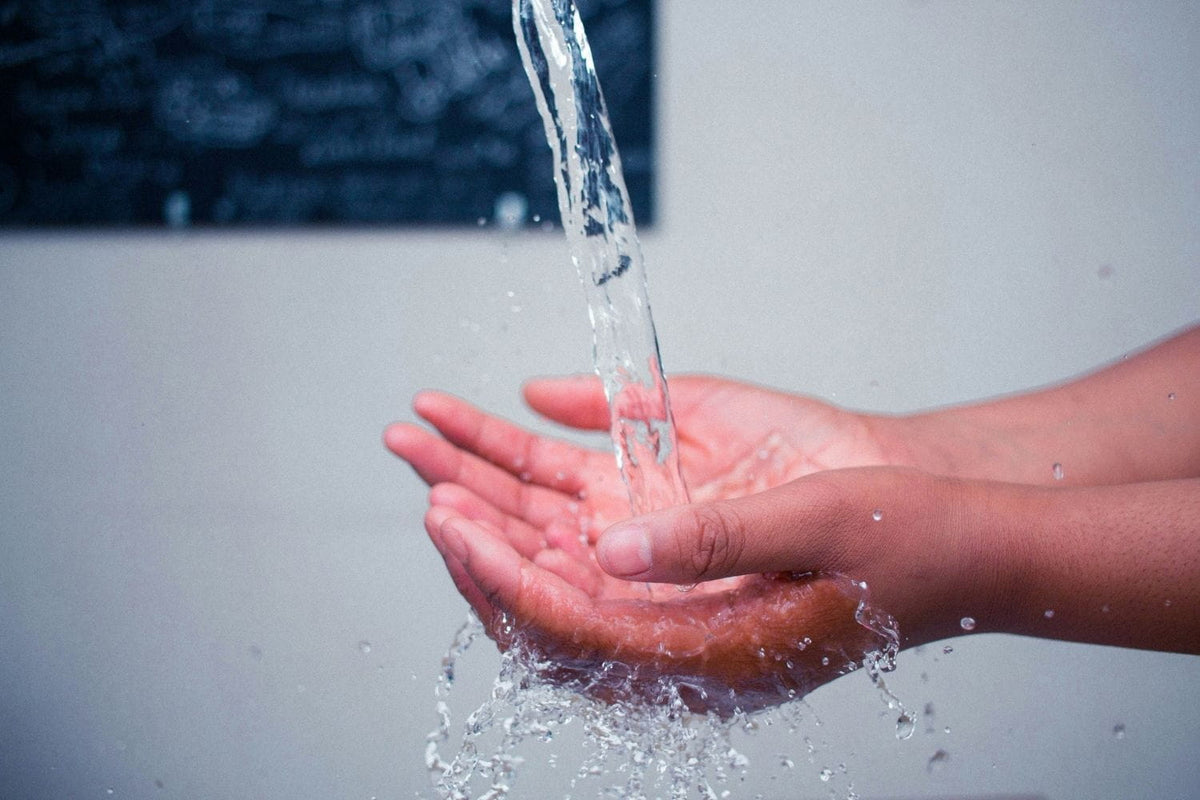
When it comes to drinking water safety, nothing matters more than knowing your family is protected from invisible threats like pathogens, lead, and chemical runoff. If you have ever wondered whether home filtration can truly protect you from microbial threats, you are asking one of the most critical questions in water treatment: Does reverse osmosis remove bacteria and viruses?
The short answer is yes. Reverse osmosis (RO) is exceptionally effective at filtering out both bacteria and viruses. However, understanding how it works, why multi-stage design matters, and what to look for in a system will make all the difference in keeping your home’s water clean and fresh.
Understanding the Microscopic World: Bacteria vs. Viruses
To understand how reverse osmosis stops pathogens, it helps to look at scale. Waterborne contaminants are measured in microns (one-thousandth of a millimeter).
-
Bacteria (0.2 to 10 microns): Common harmful waterborne bacteria like E. coli, Salmonella, and Coliform are relatively large in the microscopic world.
-
Viruses (0.02 to 0.4 microns): Norovirus, Hepatitis A, and Enteroviruses are much smaller than bacteria, making them harder for standard pitcher filters or basic carbon filters to catch.
-
Protozoa/Cysts (1 to 15 microns): Parasites like Giardia and Cryptosporidium are larger organisms that frequently cause stomach ailments.
Most basic faucet filters or gravity-fed pitchers use activated carbon with pore sizes around 1 to 5 microns. While great for removing chlorine taste and odor, standard pitch filters are simply too porous to physically trap tiny viruses and bacteria.
The Reverse Osmosis System: How Micro-Pores Trap Pathogens
Reverse osmosis operates on a completely different level than traditional filtration. Instead of relying solely on physical straining through carbon, an RO system forces pressurized water through a specialized semi-permeable membrane.
The pore size of a high-quality RO membrane is roughly 0.0001 microns.
When you compare a 0.0001-micron pore to a 0.2-micron bacterium or a 0.02-micron virus, the physics become clear: the membrane acts as an impenetrable wall. Water molecules are pushed through under pressure, while microbes, heavy metals, dissolved solids, and microplastics are flushed away down the drain line.
Reverse osmosis systems have a very high effectiveness in removing bacteria, viruses, and protozoa. Independent testing verified by the Water Quality Association (WQA) further confirms that certified RO membranes consistently eliminate up to 99% of microbial pathogens alongside lead, arsenic, and nitrates.
Why Pre-Filtration and Multi-Stage Design Matter
While the RO membrane is the star of the show, a single membrane cannot do the job alone. In fact, raw water containing heavy sediment or high chlorine levels can damage or clog an RO membrane over time.
That is why the best reverse osmosis systems rely on multi-stage filtration:
-
Sediment Pre-Filters: Catch sand, rust, and silt to prevent clogging.
-
Carbon Pre-Filters: Remove chlorine and volatile organic compounds (VOCs) that could degrade the delicate synthetic membrane.
-
The RO Membrane: Traps heavy metals, fluoride, dissolved salts, bacteria, and viruses.
-
Post-Carbon / Polish Filters: Ensure the purified water stored in the tank comes out tasting crisp and clean.
Without proper pre-filtration, bacteria can form biofilms on untreated surfaces, leading to system degradation.High-quality multi-stage systems safeguard the core membrane so it can maintain its 99% pathogen removal efficiency year after year.
The Remineralization Advantage: Pure Water, Perfectly Balanced
Because reverse osmosis is so thorough, it removes almost everything dissolved in water, including beneficial minerals like calcium, magnesium, and potassium.
While pure RO water is completely safe and free of contaminants, some people prefer a slightly higher pH and a smoother, more natural taste. This is where alkaline remineralization filters come in.
A 6-stage remineralization process passes ultra-pure RO water through a final bed of natural minerals. This step reintroduces key dietary minerals, raises the water's pH to an optimal alkaline level, and yields a refreshing taste profile reminiscent of natural mountain spring water.
Essential Best Practices for Maintaining Bacterial Protection
To guarantee that your reverse osmosis system continues to keep your water completely pathogen-free, keep these simple maintenance habits in mind:
-
Replace Pre-Filters on Schedule: Change sediment and carbon pre-filters every 6 to 12 months to protect the main membrane.
-
Replace the RO Membrane Every 2 Years: Over time, continuous water pressure wears down any membrane. Regular replacement ensures non-stop protection.
-
Sanitize System Components: When replacing complete filter sets, sanitize storage tanks and housing according to manufacturer guidelines to prevent localized bacterial buildup in the holding tank.
Discover Clean, Pure Water with Filter United
At Filter United, we believe clean drinking water should never be a compromise. Whether you are dealing with municipal tap water concerns, well water impurities, or simply want the healthiest water for cooking and hydration, our engineering focuses on rigorous purity and long-term reliability.
Our flagship VIVA21 Series offers complete water defense tailored to your home:
-
VIVA21 5-Stage WQA-Certified Reverse Osmosis System: Engineered for high-efficiency contaminant and microbial removal, rigorously tested and certified to NSF/ANSI standards.
-
VIVA21 6-Stage Remineralization Reverse Osmosis System: Combines 5-stage deep purification with an alkaline remineralization filter to restore essential minerals and optimal pH.
-
Maintenance & Accessories: We offer replacement complete filter sets, pre-filter sets, individual replacement cartridges, and accessories to keep your system performing like new for years to come.
Final Thoughts
When asking if reverse osmosis removes bacteria and viruses, science and industry standards agree: RO is one of the most reliable home water purification technologies available. By opting for a multi-stage, certified reverse osmosis system, you give your household a powerful, continuous defense against microscopic threats.


