

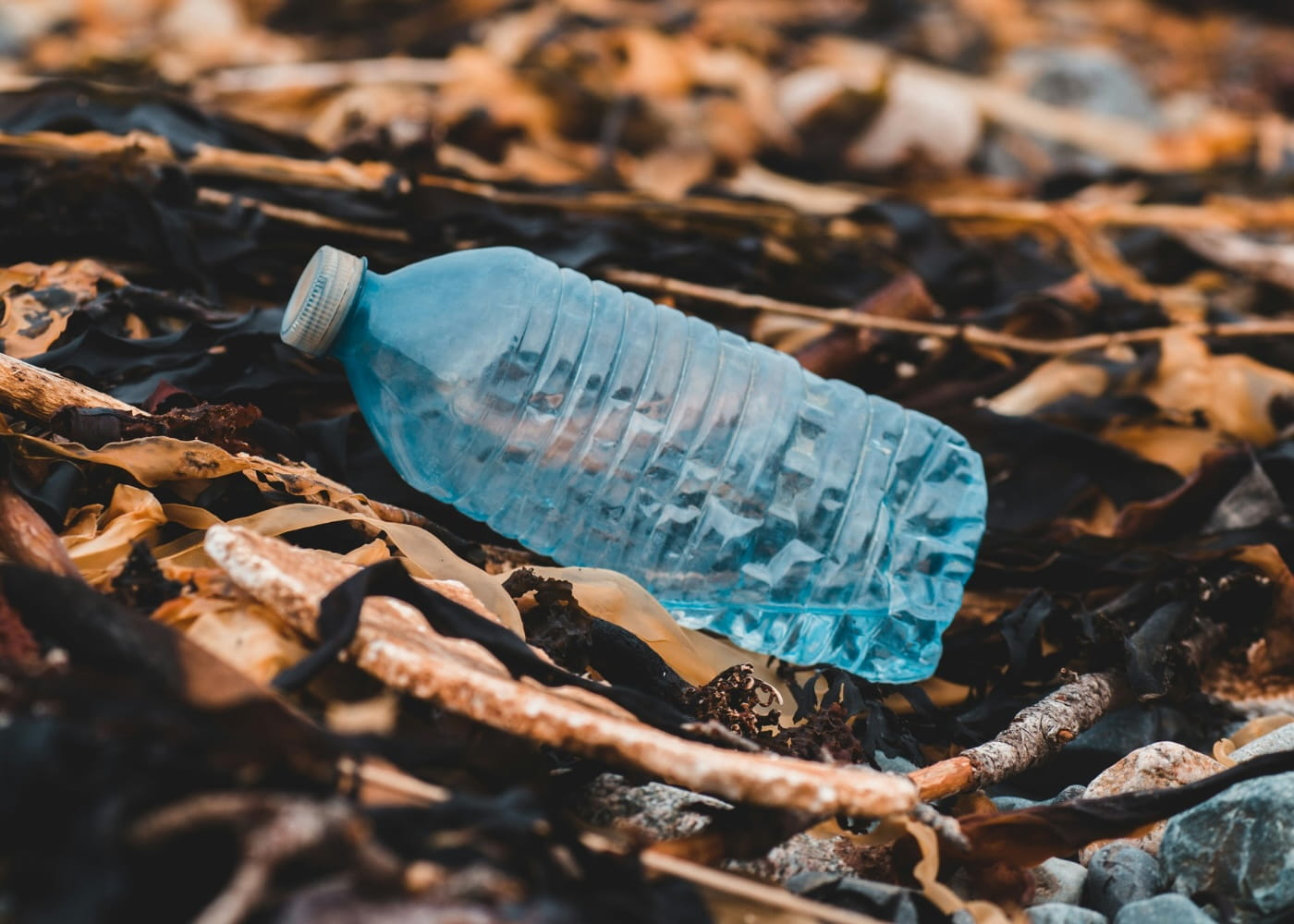
For decades, the convenience of bottled water came with a hidden price tag that the environment absorbed. But as municipalities and national governments step up their fight against plastic pollution, that cost is shifting directly to the consumer. Single-use plastic regulations, extended producer responsibility (EPR) laws, and outright bans on plastic bottles in municipal spaces are rapidly changing the economics of drinking water.
If you are evaluating the most cost-effective way to get clean drinking water at home, these legislative shifts mean that deciding to buy a reverse osmosis system is no longer just a lifestyle upgrade: it is a measurable financial strategy.
The True Cost of the Plastic Crackdown
Across the globe, lawmakers are targeting single-use plastics to curb the millions of tons of waste entering oceans and landfills annually. For consumers, this legislation materializes in a few distinct ways:
-
Direct Plastic Taxes: Many regions have implemented taxes on virgin plastic packaging. Beverage companies immediately pass these costs down, raising the baseline price of bottled water.
-
Deposit Return Schemes (DRS): Paying a deposit on every bottle increases the upfront cost of your grocery bill. While refundable, the time and effort required to return bottles mean many consumers simply eat the cost.
-
Scarcity in Public Spaces: With national parks, airports, and university campuses banning the sale of single-use water bottles, consumers are forced to either carry their own reusable bottles or pay premium prices for water packaged in alternative (often more expensive) materials like aluminum.
As the price per liter of bottled water climbs, the traditional math used to compare bottled water against residential filtration systems requires a complete recalculation.
The Economic Advantages of Reverse Osmosis
When you move away from single-use plastics, you need a filtration method that guarantees the same (or better) water quality than premium bottled brands. Reverse osmosis (RO) forces water through a semi-permeable membrane with pores as small as 0.0001 microns, effectively reducing heavy metals (like lead and arsenic), fluoride, chlorine, and emerging contaminants like microplastics.
Here is how the economics break down when you invest in an under sink RO system:
|
Cost Factor |
Bottled Water (Premium) |
Home RO System |
|
Initial Investment |
$0 |
$200 - $500 |
|
Cost Per Gallon |
$1.20 - $5.00+ |
$0.02 - $0.05 |
|
Annual Maintenance |
$0 |
$60 - $100 |
|
Environmental Tax/Fees |
High (increasing yearly) |
None |
While the upfront cost of an RO system is higher, the total cost of ownership plummets after the first year. The only ongoing expense is replacing the filters. Searching for an affordable reverse osmosis water filter replacement schedule is highly predictable; you replace pre-filters every 6 months and the main RO membrane every 2 years, shielding your household budget from the volatile pricing of retail bottled water.
What to Look For When Upgrading
If you are ready to make the switch, it is crucial to select a system that is scientifically validated and fits your specific water profile. Not all systems are engineered equally.
-
Independent Certification: Always look for a WQA-certified reverse osmosis system. The Water Quality Association rigorously tests systems to ensure they actually remove the contaminants they claim to, providing peace of mind that your tap water is genuinely pure.
-
Stage Configuration: A standard 5-stage system provides excellent purification, removing sediment, chlorine, and dissolved solids. If you prefer the taste of mineral-rich spring water, look for a 6-stage remineralization system that adds calcium and magnesium back into the water before it reaches your faucet.
-
Component Quality: Ensure the brand you choose offers a reliable supply of replacement parts. Having access to a complete filter set or a pre-filter set directly from the manufacturer ensures your system operates at peak efficiency for years to come.
Making the Transition
The era of cheap, single-use bottled water is ending, driven by necessary environmental regulations. Fortunately, taking control of your own water supply has never been more accessible.
At Filter United, we designed the VIVA21 product line to make this transition seamless. Whether you need the rigorous purification of our 5-Stage WQA-Certified Reverse Osmosis System or prefer the balanced taste of our 6-Stage Remineralization Reverse Osmosis System, our units are engineered to deliver premium water directly to your tap. With readily available complete filter sets, pre-filter sets, and individual accessories, maintaining your system is straightforward and incredibly cost-effective, ensuring you stay ahead of the curve as plastic regulations continue to evolve.


