

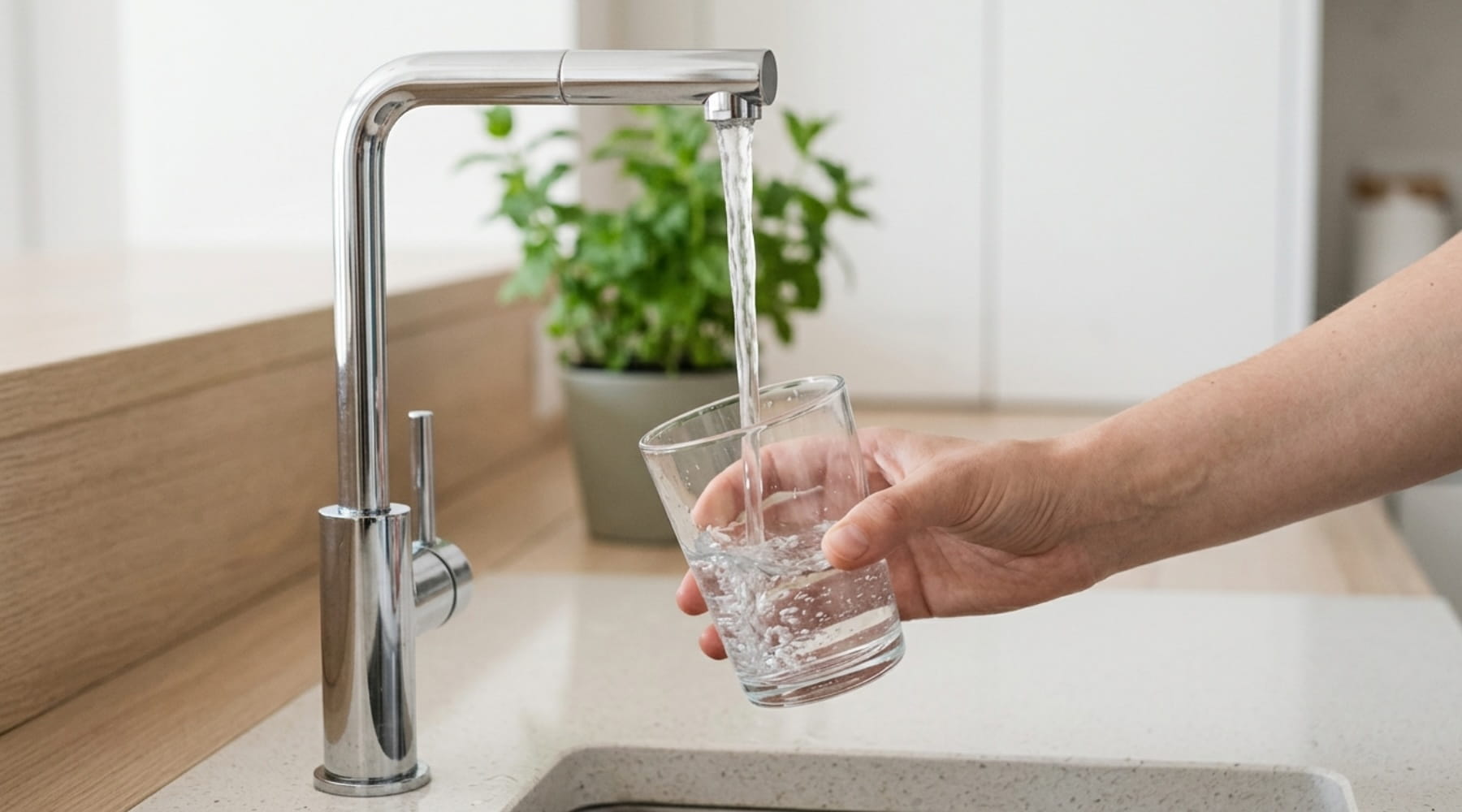
Experiencing a sudden drop in water taste quality immediately after a filter change is a common frustration, but it rarely indicates a defective system. Reverse osmosis is a scientifically precise process that relies on pressure, semi-permeable membranes, and chemical adsorption. When you introduce new filter media into this delicate ecosystem, temporary imbalances can occur.
If you are wondering why your RO water tastes strange after a filter change, here are the reasons why this is happening and exactly how to fix it.
1. The "Flushing" Phase: Trapped Air and Carbon Fines
The most frequent culprit behind bad-tasting water immediately following a filter change is a failure to properly flush the new system.
Modern pre-filters and post-filters heavily rely on activated carbon (often made from coconut shell) to adsorb chlorine, chloramines, and volatile organic compounds (VOCs). During the manufacturing and shipping of these filters, the carbon blocks can shed microscopic dust known as "carbon fines".
When water first pushes through a newly installed carbon filter, it carries these harmless but bitter-tasting fines into your glass. Additionally, dry filters contain trapped air. As water forces this air out, it creates micro-bubbles that can make the water look cloudy or milky, temporarily altering the mouthfeel and perceived taste.
-
The Fix: Always empty the RO storage tank completely at least two times after installing a complete filter set. This thoroughly flushes carbon dust and purges trapped air from the lines.
2. Neglecting the RO Membrane
A standard RO system features multiple stages, typically including sediment pre-filters, carbon blocks, the central RO membrane, and a polishing filter. A common mistake homeowners make when they buy reverse osmosis filter replacements is changing the pre-filters but ignoring the RO membrane.
The RO membrane is the heart of the system, forcing water through pores as small as 0.0001 microns to remove dissolved solids, heavy metals (like lead and arsenic), and fluoride. While standard pre-filters need replacing every 6 to 12 months, the RO membrane usually lasts 2 years.
If your membrane is nearing the end of its lifespan, its rejection rate drops. The Water Quality Association (WQA) notes that a healthy RO membrane should reject 90% to 99% of total dissolved solids (TDS). If an expired membrane is left in place while pre-filters are swapped, contaminants will continue to slip through, resulting in poor-tasting water.
-
The Fix: Use a digital TDS meter to test your water. If the TDS reading of your filtered water is higher than 10-20% of your raw tap water, it is time to replace the RO membrane.
3. Bacterial Biofilm in the Storage Tank
Reverse osmosis removes chlorine from your tap water before it reaches the storage tank. While this protects the delicate RO membrane from oxidation, it also leaves the stored water vulnerable to bacterial growth over time.
If you have owned your system for several years and only swap the filters without sanitizing the housings and the storage tank, a harmless but foul-tasting bacterial biofilm can develop. Changing the filters can dislodge fragments of this biofilm, or introduce new bacteria if the filter media was touched with bare, unwashed hands during installation. This often results in a "musty" or "earthy" taste.
-
The Fix: Every time you install a new pre-filter set for RO, sanitize the system. Shut off the water supply, remove the filters, add a manufacturer-approved sanitizer (often unscented household bleach or hydrogen peroxide) to the first housing, and let it cycle through the system (excluding the RO membrane) before flushing thoroughly.
4. The pH Shift: Pure RO Water vs. Remineralized Water
Pure reverse osmosis water is inherently slightly acidic. Because the process strips out alkaline minerals like calcium and magnesium. This low TDS, slightly acidic profile can taste "flat" or vaguely metallic to some palates.
If your previous filter setup included a remineralization stage (which adds calcium and magnesium back into the water for a sweeter, alkaline taste) and you accidentally replaced it with a standard carbon polishing filter, you will notice a drastic change in flavor. You haven't ruined your water, you have simply altered its mineral profile.
Filter Stage Comparison and Taste Impact
|
Filter Type |
Primary Function |
Lifespan |
Impact on Taste |
|
Sediment Pre-Filter |
Removes dirt, rust, and silt. |
6-12 Months |
Negligible (protects other filters). |
|
Carbon Block |
Adsorbs chlorine and VOCs. |
6–12 Months |
Removes chemical tastes and odors. |
|
RO Membrane |
Rejects heavy metals and TDS. |
2 Years |
Creates the pure, slightly acidic baseline. |
|
Remineralization Filter |
Adds calcium/magnesium. |
6–12 Months |
Restores alkaline balance and sweet taste. |
5. Local Tap Water Fluctuations
Sometimes, the issue isn't your newly installed filters at all. Municipal water treatment facilities constantly adjust their chemical dosing based on seasonal changes, agricultural runoff, or heavy rainfall.
For instance, during spring runoff, municipalities might switch from using chlorine to chloramines, or increase chemical sanitizers to combat elevated bacterial loads in the reservoir. Even the best under sink reverse osmosis system will process water differently if the input water experiences a massive, sudden spike in chloramines or hardness. If your filter change coincided with a municipal water shift, the taste difference may simply be your new filters working overtime to process a harsher chemical load.
Ensure Consistent, Premium Quality
Troubleshooting water taste shouldn't be a recurring headache. Consistent water quality starts with precision-engineered filtration media. At Filter United, we believe your home deserves uncompromising water purity backed by rigorous industry standards.
Whether you are looking to upgrade your current setup or simply need high-quality replacements, our VIVA21 product line is designed for seamless, reliable performance:
-
5-Stage WQA-Certified Reverse Osmosis System: Rigorously tested to meet Water Quality Association standards, ensuring high TDS rejection rates and consistently pure water.
-
6-Stage Remineralization Reverse Osmosis System: For those who prefer the crisp, sweet taste of alkaline water, this system reintroduces essential health-promoting minerals after the purification process.
-
Replacement Solutions: We offer Complete Filter Sets, targeted Pre-Filter Sets, individual RO membranes, and all the necessary accessories to keep your system fully sanitized and operating at peak efficiency.
Don't let subpar replacement parts compromise your drinking water. Invest in reliable purification and enjoy the peace of mind that comes with every pour.


