

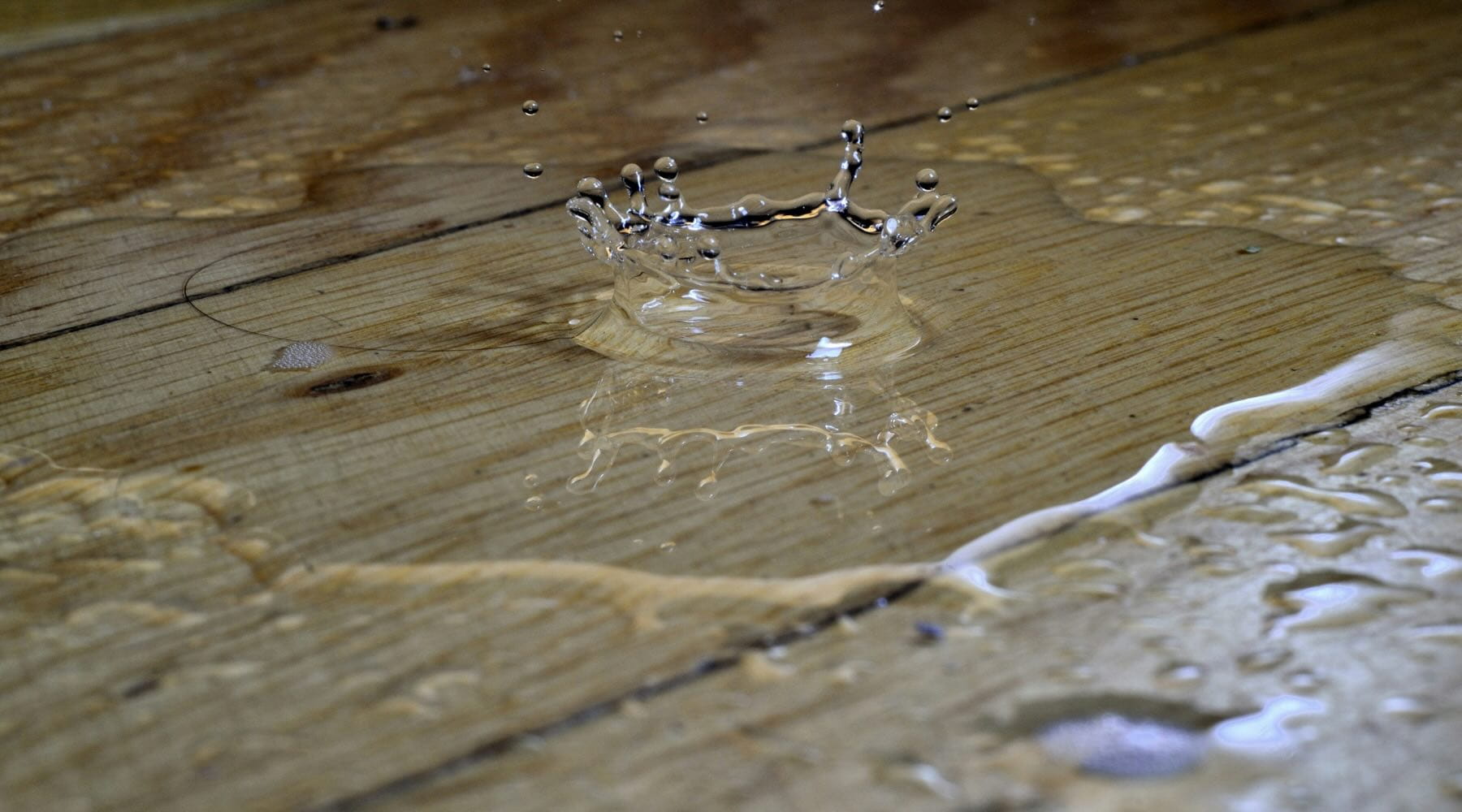
According to the U.S. Environmental Protection Agency (EPA), average household leaks can waste more than 9300 gallons of water every year, and 9% of homes have leaks that waste 50 gallons or more per day. While major pipe bursts get all the attention, it’s often the silent, slow drips under the kitchen sink that cause the most expensive structural damage over time.
Fortunately, most under-sink plumbing fixes are straightforward and don't require calling an expensive professional. Here is a step-by-step guide to tracking down the source of that puddle and fixing it for good.
Step 1: Pinpoint the Leak
Water is notoriously tricky to track because it travels along pipes and hoses before finally dropping. If you just look at where the puddle is, you might fix the wrong thing.
-
Clear the Cabinet: Remove every single item from under the sink. You need full visibility and space to maneuver.
-
Dry the Area: Use old towels to wipe up any standing water and dry the pipes as much as possible.
-
The Paper Towel Test: Lay dry paper towels flat across the entire floor of the cabinet. Run the faucet (both hot and cold), fill the basin, and then pull the stopper to let a large volume of water drain at once.
-
Watch and Wait: Grab a flashlight and watch the paper towels. The first drop will give you a precise vertical coordinate to look straight up from.
Step 2: Identify the Culprit and Apply the Fix
Once you know the general area of the drip, you can identify which component has failed. Here are the four most common culprits and how to tackle them.
1. The P-Trap and Drain Pipes
The curved pipe under your sink (the P-trap) holds water to prevent sewer gases from entering your home. Because it handles a constant flow of water and gravity, the connections are prime candidates for leaks.
-
The Fix: If the leak is coming from the slip joints (the large threaded nuts connecting the plastic or metal pipes), they might just be loose. Hand-tighten them first. If they still leak, the rubber or plastic slip-joint washer inside has likely degraded. Turn off the water, unscrew the nut, slide a new washer on, and re-tighten.
2. The Water Supply Lines
Your hot and cold water supply lines are constantly under high pressure. Leaks here usually happen at the shut-off valves against the wall or where the braided hoses connect to the bottom of the faucet.
-
The Fix: If the shut-off valve is weeping, use an adjustable wrench to carefully tighten the packing nut (the nut just behind the handle). If the braided supply hose itself is wet, the internal rubber gasket has likely failed. In this case, you will need to replace the entire supply hose—a cheap and easy hardware store trip.
3. The Faucet Base and Sink Strainer
If water is leaking down the outside of the pipes right where they meet the sink basin, the seal between the sink and the fixture has failed.
-
The Fix: For a leaking sink strainer (the drain assembly), you will need to loosen the locknut underneath, scrape away the old, dried-out plumber’s putty, and apply a fresh ring of putty to seal the gap. If the faucet base is leaking, the O-rings inside the faucet body are worn and will require a replacement kit specific to your faucet brand.
4. Aging Water Filtration Systems
If you already use home water filtration systems, they require periodic maintenance. A common source of under-sink water is a leaking filter housing, a failing O-ring, or a loose quick-connect fitting on an older unit.
-
The Fix: First, try pushing the plastic tubing firmly into the quick-connect fittings to ensure they are seated properly. If the leak is coming from the filter housing threads, turn off the water supply, relieve the pressure, and unscrew the housing. Check the rubber O-ring—if it is pinched, flat, or cracked, it must be replaced. Lubricate the new O-ring with food-grade silicone grease (never petroleum jelly) before reassembling.
When to Repair vs. When to Replace
A single worn washer is an easy repair. However, if you are constantly patching up an old, cracked plastic P-trap or struggling with a heavily calcified shut-off valve, spending a little money on new parts now will save you hundreds in water damage remediation later.
The same logic applies to your drinking water setup. If you are constantly searching for RO system replacement parts for a unit that is a decade old, or if the filter housings have developed micro-stress cracks, it is often more cost-effective and much safer for your kitchen cabinets to simply invest in a new, high-quality system.
Upgrade Your Water Security
If your old water filter was the source of your leak and it's time for an upgrade, or if you simply want to ensure your family is drinking the cleanest water possible, it’s worth looking into systems designed with high-grade, leak-resistant fittings.
At Filter United, our VIVA21 product line is engineered for both superior water purity and reliable durability. Whether you are looking for a 5-Stage WQA-Certified Reverse Osmosis System for guaranteed contaminant removal, or our 6-Stage Remineralization Reverse Osmosis System that adds healthy alkaline minerals back into your water, we have a solution to fit your sink. We also carry a full ecosystem of parts, including the Complete Filter Set, Pre-Filter Set, individual replacement cartridges, and system accessories to keep your water flowing safely and smoothly for years to come.


